A Comprehensive Insight into Organic Healthy ProductsA Comprehensive Insight into Organic Healthy Products

Organic healthy products are increasingly becoming a staple in many households due to their numerous health benefits. These products, derived from natural and organically grown ingredients, provide a healthier and safer alternative to conventional food and beauty items, which often contain harmful chemicals. Unlike their counterparts, organic healthy products are free from synthetic additives and genetically modified organisms, making them a preferable choice for health-conscious individuals.

Many studies have shown a clear connection between organic products and enhanced health. Organic fruits and vegetables, for example, tend to have higher nutritional content than non-organic ones. Furthermore, they are rich in antioxidants that can help fight oxidative stress and reduce the risk of chronic diseases like heart disease and cancer. These products are usually grown without the use of pesticides and fertilizers that could leave residue in the food and harm the human body.

Besides the health benefits, the production of organic healthy products is also more environmentally friendly. Organic farming practices enhance soil fertility, conserve water, reduce pollution, and preserve biodiversity. Additionally, it contributes to sustainable agriculture and promotes animal welfare. By choosing قرص ایمدین اصل , consumers not only ensure their well-being but also practice responsibility towards the environment.

Beyond diet, organic healthy products extend to skin-care and beauty products. Most beauty products in the market contain chemicals that can be harmful to the body. In contrast, organic healthy products use natural ingredients that nourish the skin. Ingredients like organic shea butter, coconut oil and essential oils provide a multitude of benefits to the skin and are devoid of any harmful side effects. These beauty products are often cruelty-free and packaged in recyclable materials, adding to their environmental brief.

While it is true that organic healthy products often come with a higher price tag, the benefits they offer make them a worthwhile investment. Not only do they improve personal health, but they also contribute to healthier ecosystems. As more and more people recognize the value of organic products, the demand for these products rises, subsequently causing the price to drop over time. Providing education and accessibility to these products can encourage more people to make the switch, leading to a healthier population and a healthier planet.

Overall, organic healthy products present a fresh, wholesome approach to individual and environmental health. As consumers become increasingly aware of the impacts of their consumption habits, the shift towards these products is an encouraging step for both personal wellness and global sustainability. Making the choice of purchasing organic healthy products is a small, yet impactful step one can take towards living a healthier and more conscious life.

Tapping Into Social Media Strategies for Effective MarketingTapping Into Social Media Strategies for Effective Marketing

Once a platform for interacting with friends, social media has transformed into a powerful marketing tool. This transition has opened up new opportunities for startups, small businesses, and multinational corporations alike. The ability to reach a global audience instantly is an exciting prospect for companies striving to develop a strong digital presence and grow their customer base.

At the core of زيادة وشراء متابعين انستا lies the concept of creating valuable, captivating content designed to engage users and encourage them to share it within their networks. This engagement breeds familiarity and trust, strengthening customer relationships and driving brand loyalty. It also extends brand reach far beyond what is possible through traditional marketing media, supporting virality and organic growth.

Among the myriad platforms utilized for social media marketing, Facebook, Instagram, Twitter, LinkedIn and Pinterest are among the most widely used. Each platform carries its individual features, benefits, and demographics. Therefore, understanding the unique culture and audience of each platform is vital for successful social media marketing. A campaign well-suited to Instagram’s visually-oriented audience might not perform as well on LinkedIn’s professionally-minded network – thus, platform-tailoring is an essential step.

Essential pillars of successful social media marketing include strategy planning, goal setting, content creation, analytics and adapting as necessary. Social media platforms offer extensive analytical tools that allow marketers to deeply understand their audience and optimise their approach based on real-time feedback. Goals and KPIs (Key Performance Indicators), such as engagement rate, reach, impressions, and conversions, help track progress and ensure alignment with broader business objectives.

Beyond basic posts and shares, features like paid advertising, influencer marketing, and even direct selling environments, like Facebook Shops, offer versatile avenues for marketing on social media. Paid campaigns allow for granular targeting and retargeting to maximize visibility among relevant segments. Simultaneously, collaborations with influencers can lend authenticity, connect with niche communities, and enhance brand resonance.

With the advancements in Artificial Intelligence (AI) and Machine Learning (Machine Learning), social media platforms are becoming more sophisticated in terms of providing customized ad experiences. Taking advantage of smart targeting options can optimize conversions and increase return on investment (ROI).

In conclusion, social media offers vast opportunities for savvy marketing, making it an essential part of modern business success. It requires in-depth knowledge of diverse platforms, sharp audience insights, goal-directed strategies, and creativity. Equipped with these components, businesses can leverage social media marketing to drive growth, engagement and profitability.

How Industrial Gearbox Manufacturers Address Market Demand FluctuationsHow Industrial Gearbox Manufacturers Address Market Demand Fluctuations

You might be surprised at how industrial gearbox manufacturers tackle the unpredictable nature of market demand. By harnessing real-time data analytics and embracing advanced production techniques, these companies can adapt swiftly to customer needs. With strategies like flexible supply chains and innovative design approaches, they stay one step ahead. But what specific methods are they employing to ensure they remain competitive in such a volatile environment? Exploring these techniques could reveal insights that might change your perspective on the manufacturing landscape.

Understanding Market Demand Dynamics

Market demand dynamics for industrial gearboxes are influenced by various factors, including technological advancements and shifts in manufacturing processes. As a manufacturer, you need to pay close attention to these changes to stay competitive. When new technologies emerge, they often lead to increased efficiency and better performance, which can raise the demand for specific gearbox types.

Moreover, shifts in manufacturing processes, such as the rise of automation and Industry 4.0, can significantly impact your offerings. Adapting to these trends means understanding how they affect your customers’ needs. If your clients are moving towards more automated systems, they might require gearboxes that aren’t only reliable but also compact and energy-efficient.

Market fluctuations can also arise from economic conditions and regulations. You should keep an eye on market trends and customer preferences, as they often dictate the types of gearboxes in demand.

Advanced Production Techniques

Leveraging advanced production techniques can significantly enhance your manufacturing efficiency and product quality. By adopting automation and robotics, you can streamline repetitive tasks, reduce human error, and boost production speed. This not only saves time but also allows your workforce to focus on more complex and strategic tasks.

Implementing computer numerical control (CNC) machines further elevates precision in your operations. With CNC, you can achieve intricate designs and maintain strict tolerances, ensuring that each gearbox meets your high standards.

Additionally, using additive manufacturing techniques, like 3D printing, offers flexibility in prototyping and reduces lead times for new designs.

Integrating smart technologies, such as the Internet of Things (IoT), can also provide real-time monitoring of your production processes. You’ll gain insights into machinery performance and can quickly identify and address any issues before they escalate, minimizing downtime and waste.

Lastly, data analytics can help optimize your production schedules based on current market demand, enabling you to respond swiftly to fluctuations.

Flexible Supply Chain Strategies

How can flexible supply chain strategies transform your operations in a volatile market? By adopting these strategies, you can enhance responsiveness and efficiency, allowing you to better navigate fluctuations in demand.

Flexible supply chains enable you to adjust production schedules and inventory levels quickly, ensuring you meet customer needs without overcommitting resources.

One key aspect is diversifying your supplier base. Relying on multiple suppliers reduces risk and enables you to source materials from different locations, adapting to changes in availability or pricing.

Additionally, leveraging technology, such as real-time data analytics, gives you valuable insights into market trends, helping you make informed decisions about inventory management and production planning.

You might also consider implementing just-in-time (JIT) practices. This approach minimizes excess inventory, allowing you to align production closely with demand, reducing costs and waste.

Moreover, developing strong relationships with suppliers and logistics partners fosters collaboration, enhancing your ability to respond to sudden changes in market conditions.

Incorporating these flexible supply chain strategies not only positions you to react swiftly to market demands but also strengthens your overall operational resilience.

You’ll be better equipped to thrive in a competitive landscape, ensuring long-term success for your business.

Innovative Design Approaches

Embracing innovative design approaches can significantly enhance your industrial china gearbox manufacturer manufacturing process. By leveraging advanced materials and cutting-edge technology, you can create gearboxes that aren’t only more efficient but also lighter and more durable.

Consider incorporating simulation software in your design phase. This allows you to predict performance under various conditions, helping you optimize designs before production begins.

Additionally, modular design principles can be your ally. Modular gearboxes allow for easier customization and quicker adjustments to meet specific market demands. This flexibility can help you respond swiftly to fluctuations in demand without sacrificing quality or increasing lead times.

Don’t overlook the potential of 3D printing for prototyping. Rapid prototyping enables you to test and iterate designs in real-time, speeding up the development process while reducing costs.

Collaborating with engineers who specialize in innovative technologies can also bring fresh ideas to your design table.

Case Studies of Successful Adaptation

Many manufacturers have successfully adapted to market demand fluctuations by implementing innovative design strategies. For instance, one company revamped its product line to include modular gearboxes, allowing them to quickly reconfigure designs based on customer needs. This flexibility not only met varying demands but also reduced lead times, enhancing customer satisfaction.

Another case involves a manufacturer that invested in predictive analytics. By analyzing market trends and customer feedback, they could forecast demand more accurately. This foresight enabled them to optimize inventory levels and minimize waste, ensuring they’d the right products available at the right time.

Additionally, a third manufacturer adopted an agile production system. By utilizing cross-trained employees, they could shift resources and production focus swiftly. This adaptability allowed them to respond to sudden spikes in demand without the typical delays associated with traditional production methods.

These examples illustrate how embracing innovative design strategies and operational flexibility can significantly enhance a manufacturer’s ability to navigate market fluctuations. By learning from these case studies, you can identify opportunities to implement similar adaptations in your own business, positioning yourself for success in an ever-evolving marketplace.

Conclusion

In conclusion, industrial gearbox manufacturers are effectively navigating market demand fluctuations by embracing innovative strategies. By leveraging real-time data analytics, automation, and modular designs, they can swiftly adapt to changing customer needs. These proactive approaches not only enhance operational efficiency but also ensure that manufacturers stay ahead of market trends. As you explore this dynamic industry, consider how these advancements shape the future of production and supply chain management.

Classification and value of filtersClassification and value of filters

In modern life, filters have become essential tools for maintaining our health and comfort. Whether it’s the air you breathe, the water you drink, or the environment in industrial production, filters work silently to remove harmful substances, making life safer and healthier. There are three main types of filters:: air filtersindustrial filters, and water filters.

1. Air Filters: Guardians of Healthy Breathing

Air filter is also called air purifier. The main function of air filters is to purify the air by removing dust, pollen, allergens, bacteria, smoke, and other tiny particles. In modern society, with the advancement of industrialization, air quality problems are becoming increasingly serious, especially in areas where air pollution is more obvious, and air filters are particularly important.

Air filters are widely used in homes, offices, and cars, among other everyday settings. For example, home air purifiers often come equipped with air filters to effectively reduce indoor dust and pollen, helping to combat allergens. Central air conditioning systems in offices also rely on air filters to ensure a relatively clean environment for employees. In cars, air filters help filter out exhaust fumes and pollutants from the outside, making the driving experience more comfortable.

Good air quality is crucial to health, especially for people with allergies, asthma, or respiratory issues. High-efficiency air filters can reduce allergens in the air, making life more comfortable for sensitive individuals, and can also reduce long-term health risks from air pollution. Choosing the right air filter not only improves quality of life but also helps protect the health of your family.

2. Industrial Filters: Silent Helpers in Manufacturing

Industrial filters are widely used in various manufacturing industries, such as chemical, food, pharmaceutical, oil, and gas sectors. Their role is to filter impurities and harmful substances in the production process to ensure product quality and reduce environmental pollution.

In industrial production, filters do more than just remove impurities; they also help improve production efficiency. For instance, liquid filters can remove impurities in pharmaceutical factories to ensure the purity and safety of medicines. Gas filters, on the other hand, are used in the oil and gas industry to filter harmful gases and reduce production risks. By filtering out these harmful substances, industrial filters help minimize environmental pollution and waste, making production more efficient and environmentally friendly.

There are different types of industrial filters based on their applications. The most common types include liquid filters and gas filters. Liquid filters are used to filter suspended particles and impurities from liquids and are commonly found in industries like pharmaceuticals, food, and chemicals. Gas filters are used to filter particles and harmful substances from gases, and they are widely applied in sectors such as oil and gas and electronics manufacturing.

3. Water Filters: Safeguarding Clean Drinking Water

Water is the source of life, and the quality of water directly affects our health. Water filters work by removing impurities, heavy metals, bacteria, and other harmful substances from water to ensure that the water we drink is clean and safe.

In everyday life, water filters are commonly found in household drinking systems. For example, home water purifiers can remove harmful substances such as chlorine and heavy metals from tap water, improving its taste and making it safer to drink. Commercial facilities and restaurants also use water filtration systems to ensure the safety and quality of large-scale water usage. In addition, municipal water treatment systems heavily rely on industrial-grade water filters to ensure that public water supplies meet drinking standards and protect public health.

Clean water is essential for health. Drinking untreated or poorly treated water can lead to diarrhea, liver problems, and even more serious health issues. For households with vulnerable groups, such as infants or the elderly, water filters play a critical role. By using water filters, we can reduce the risks of water pollution in our daily lives and ensure that every drop we drink is clean and safe.

Whether it’s air filters, industrial filters, or water filters, their ultimate goal is the same: to provide us with safer, cleaner air, water, and production environments. In today’s world, filters are not just a product of technological advancement; they have become an indispensable part of daily life. By choosing the right filters, consumers can significantly improve their quality of life, protect their health, and contribute to the sustainability of our planet. 

For those looking for reliable and customized filter solutions, Inonetek stands out as a leading manufacturer in China with 25 years of experience in OEM/ODM. Specializing in air and water filtration, Inonetek offers a broad range of flexible, cost-effective solutions for air purification and water filtration systems. Their product lineup includes air purifier filters, water filters, industrial air filters, humidifier filters, vacuum cleaner filters, refrigerator water filters, activated carbon filters, prefilters, non-woven fabrics, and more. Inonetek provides a one-stop flexible customization service for residential, commercial, and industrial needs, ensuring you get the perfect solution tailored to your specific requirements.

The Benefits Of Horizontal Boring MillThe Benefits Of Horizontal Boring Mill

Maintaining a competitive edge in the industrial and manufacturing industries depends mostly on accuracy and efficiency. Machinery has developed throughout the years to satisfy the always-rising needs of sectors. Among these machines, the Horizontal drill mill is one of the most important ones utilized for a range of jobs needing great accuracy. 

If you engage in large-scale manufacturing or metalworking, you have probably heard of or used a horizontal mill or boring machine. What precisely, though, are these machinery benefits? 

We will discuss in this article the reasons why many businesses find the horizontal boring mill to be absolutely essential. We will also underline the particular benefits that define this machine as a preferred choice above other kinds of machining tools.
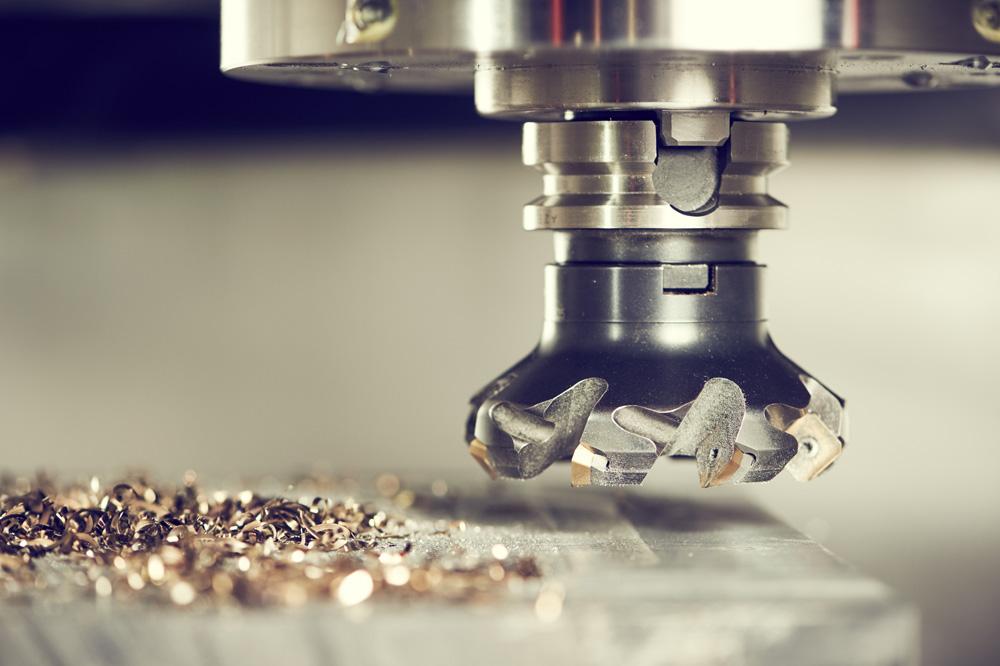
Horizontal Boring Machine: Advantages for Industrial Parts

What Is A Horizontal Boring Mill, And How Does It Work?

One must first grasp the basic structure and purpose of a Machining Center if one is to really value its advantages. Designed to drill exact holes and enlarge current ones on big, heavy, or unmanageable workpieces, a horizontal boring mill—also known as a horizontal boring machine—is a piece of technology. Whereas the spindle in vertical mills is vertical, the Machining center has a spindle positioned horizontally, providing particular benefits in some kinds of operations.

Usually comprising a big worktable supporting the workpiece and a spindle moving horizontally to execute drilling, milling, and boring operations, Horizontal boring tools Larger workpieces—which may be challenging to move about or mount onto other kinds of equipment—make these machines especially helpful.

Still, why are these machines so extensively applied? Apart from various milling or drilling choices, what distinguishes them?

Why Is a Horizontal Boring Machine Essential for Large Workpieces?

The ability of the Machining Center to handle big, heavy, and irregularly shaped workpieces is one of its most important advantages. This machine shines in cases when the weight and bulk of the material render other equipment unworkable.

The following are some main factors explaining why the Boring equipment is a first choice for big projects:

  • Increased Stability: Horizontal boring tools give great stability since the workpiece stays motionless while the spindle travels. They are, therefore, perfect for handling huge things like industrial machinery components, engine blocks, or big steel plates.

  • Reduced Setup Time: When it comes to placing and clamping large workpieces, Horizontal boring tools call for fewer adjustments than vertical mills. Once the item is firmly on the worktable, the machine may run a variety of processes without requiring repositioning, therefore lowering total setup time and increasing productivity.

  • Improved Precision: Achieving exact outcomes is absolutely important while working on big sections. Because of its strong construction, which lets tight tolerances even on large metal or other material pieces, the horizontal mill offers better accuracy.

For sectors such as aerospace, automotive, and heavy equipment manufacturing that routinely deal with large-scale components, these characteristics make the Boring equipment the perfect answer.

How Does a Horizontal Mill Improve Efficiency in Operations?

One of the main causes manufacturers use a Machining center is efficiency. Machines that provide flexibility and speed without sacrificing quality are much sought after as businesses drive for faster manufacturing times and more affordable alternatives—many important benefits from a horizontal mill help to increase operational effectiveness.

  • Multiple Operations in One Setup: The capacity of Boring equipment to execute many machining operations in one setup is one of its best qualities. The horizontal mill may manage drilling, milling, and boring, as well as other tasks. Faster production cycles arise from operators spending less time transporting workpieces between several machines.

  • Larger Work Envelopes: Usually having more work envelopes than vertical mills, horizontal mills allow one to operate on bigger components in fewer sets. This capacity is especially crucial in sectors where production volume and efficiency define their success.

  • Enhanced Automation: Advanced CNC (computer numerical control) systems found in many current Horizontal boring tools can automate several operations, therefore lowering the requirement for human involvement. Automation lets businesses lower the risk of human error while raising capacity.

How Might A Horizontal Boring Mill Increase Versatility?

The versatility of Boring equipment is one of its most appealing qualities. Investing in equipment capable of a broad spectrum of operations is essential at a time when businesses have to adjust to always-shifting production needs.

  • One Drilling, Boring, and Milling:

Using the same machine, a Machining center allows you to execute all three of these fundamental operations—drilling, boring, and milling. This offers a great benefit over specialized devices for only one purpose:

  • Project scope's flexible character

  • Less demand for some tools

  • Simplified procedures for items needing several operations

  • Thread Cutting and Tapping

Industries, including the manufacturing of heavy machinery and automobiles, depend on precision-drilled holes quite often. Thanks to their robust construction and adaptable tooling features, Boring pieces of equipment can easily manage these threading and tapping operations.

  • Facing and Contouring:

Beyond drilling and boring, Horizontal boring tools are also adept at facing vast surfaces or contouring items with complex geometries. For sectors like aerospace, where every component must satisfy strict specifications for safety and performance, this is perfect for those needing exact, flat surfaces.

  • Machining in Hard-to-Reach Areas: 

These machines can reach sections of a part that would be difficult with a vertical mill thanks to the spindle's horizontal orientation. This adaptability lets one create intricate shapes and interior voids, especially in:

  • Engine blanks

  • Transmission houses

  • Huge pump bodies

Because the Machining Center is so flexible and can be used for a wide range of jobs, both big and small projects can benefit from this very reasonably priced option.

What Role Does Technology Play in Modern Horizontal Boring Mills?
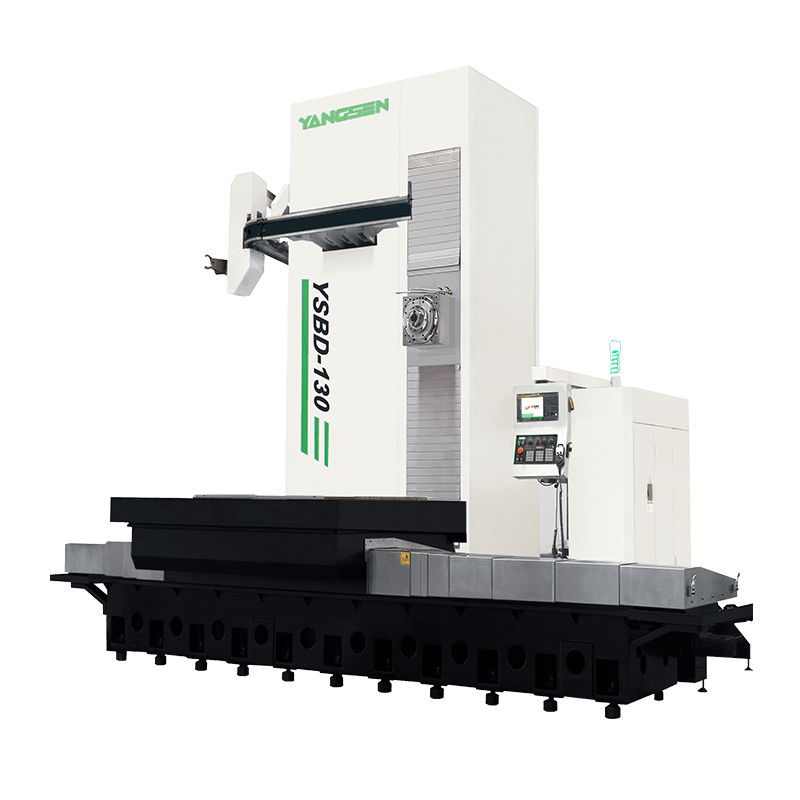
YSBD-130

Modern Horizontal boring tools' advanced technological integration has transformed production processes. Sophisticated features in today's machines allow them to operate at even more precise and efficient levels.

  • CNC Integration: CNC technology, which lets many Boring equipments operate extremely precisely and repeatably, is currently common in this equipment. Complex programs can be stored in CNC systems, allowing the machine to run sophisticated machining jobs with little human involvement. This increases precision as well as speeds up manufacturing times. Advantages include:

    • Capacity to exactly copy difficult designs

    • less demand for hand calculations or corrections

    • higher output brought about by automated procedures

  • Improved Spindle Design: Improved spindle designs of the most recent horizontal mills provide more speed, power, and versatility. High-speed rotation of these spindles lets one cut faster while preserving accuracy. When working with hard materials or during fast operations, in particular, this is quite helpful. This is especially helpful while working with:

    • Hard-to-machine components, including titanium or Inconel

    • High-volume manufacturing runs when speed is absolutely vital.

  • Smart Controls and Touchscreen Interfaces: Modern Horizontal boring tools are easy to run because of touchscreen interfaces and simple control features. This lowers operator training time and raises the machine's general efficiency. Remote monitoring systems and touchscreen controllers let operators:

    • Run several machines at once.

    • Track current machine performance.

    • From a safe distance, make corrections to lessen the need for human intervention.

Thanks to technology-driven improvements, today's Horizontal boring apparatus is more powerful and user-friendly, allowing companies to reach higher degrees of production while keeping quality.

In What Ways May A Horizontal Boring Machine Enhance Ergonomics And Safety?

Any manufacturing environment depends critically on safety. Hence, Horizontal boring apparatus provides many advantages in this respect. 

  • Reduced Handling of Workpieces: Large workpieces are securely fixed on the worktable of the machine, so operators' handling of them is less necessary. This lowers the possibility of lifting or moving big objects, causing injuries.

  • Remote Monitoring and Control: Often equipped with CNC, Heavy-duty horizontal mill let for remote monitoring and control. By monitoring the machine's performance from a distance, operators can help minimize the requirement for continuous hand involvement. This enhances safety as well as reduces the possibility of mishaps brought on by human mistakes.

  • Ergonomically Designed Workstations: Usually, operator comfort is considered in the design of Horizontal boring apparatus. Easy access to necessary components and changeable controls guarantee that operators can work effectively without taxing themselves. This emphasis on ergonomics helps to lower the risk of repetitive strain injuries and tiredness.

  • Fail-Safe Systems: Fail-safe systems included in modern Horizontal milling machines allow them to automatically stop in the event of overheating, tool breakdown, or other problems. This not only safeguards the equipment but also keeps operators free from possible risks.

Including a piece of Boring equipment in your manufacturing plant will help to create a safer and more comfortable workplace, thereby benefiting your workers as well as your profitability.

Can horizontal boring mills boost profitability and help lower expenses?

Financial factors usually dictate whether or not to buy a Horizontal boring apparatus. Many manufacturers would be wise to invest in these types of equipment since, fortunately, they provide major cost-saving advantages.

  • Reduced Labor Costs: Heavy-duty horizontal mills assist save labour expenses since they can run several operations in one configuration and demand less manual involvement. Fewer setups free operators to concentrate on other chores since they mean less time spent getting items ready.

  • Lower tooling costs: Usually speaking, horizontal mills require less specialized tools than vertical mills or other kinds of machinery. Over time, this results in reduced tooling costs since you won't have to buy as many different tools for different procedures.

  • Decreased Material Waste: High degrees of accuracy of Horizontal boring apparatus are well-known. Tightening tolerances and lowering mistakes will help producers cut material waste. This lowers the need for rework, boosting profitability even while it saves money on raw supplies.

  • Enhanced Energy Efficiency: Energy economy is considered in the design of modern Horizontal boring apparatus. These machines can greatly lower running costs by optimizing motor power and cutting the number of setups and operations, therefore saving energy.

These financial gains make it quite evident that Heavy-duty horizontal mills might improve the bottom line of your business.

Different kinds of Horizontal drill mills:

One should realize from thinking about Boring equipment that every machine is unique. Each of the several horizontal boring mills has special capabilities, characteristics, and uses; they serve diverse machining needs. 

Whether you work in precision machining or heavy industrial, there probably is a Heavy-duty horizontal mill that fits your needs. Let us examine the several kinds of Horizontal drill mills and their particular applications.

  1. Table Type Horizontal Boring Mill

The most often used and flexible kind of Heavy-duty horizontal mill is the table-type Horizontal drill mill. Under this arrangement, the spindle moves longitudinally along the Z-axis while the workpiece is secured onto a table that moves in both the X (horizontal) and Y (vertical) axes. Mounted on a column, the spindle and the tool head enable the user to execute several highly precise drilling, milling, and boring operations.

  1. Floor Type Horizontal drill mill

Designed for milling very large and heavy workpieces that cannot be readily mounted on a table, the floor-type Boring equipment this kind of machine mounts the workpiece on the floor instead of a stationary table, and the boring spindle on a column that can slide along rails. The machine head can machine several sides of big components in one setup by moving both horizontally and vertically.

  1. Planer Type Horizontal drill mill

Though it has a special feature—a planer mechanism integrated into the machine—a planer type Boring equipment is comparable to a floor type; under this arrangement, the machine's planer moves over the stationary workpiece rapidly and effectively, cutting vast regions. Large-scale, heavy-duty machining operations requiring the removal of considerable volumes of material from the workpiece are quite suited for this equipment.

Conclusion:

All things considered, the horizontal boring mill is a vital instrument in contemporary manufacturing because of its several advantages. From easily handling big workpieces to providing outstanding precision and adaptability, these machines provide major benefits over other forms of milling and boring tools. Modern horizontal boring machines are more powerful, efficient, and user-friendly than they were years ago, thanks to technological developments.

Investing in a horizontal boring mill can be the secret to reaching your company objectives whether your main aims are ones of efficiency, cost control, or manufacturing capacity increase. The function of horizontal boring machines will only become more important as sectors change and demand more degrees of accuracy and productivity drive.

To learn more about innovative solutions and high-quality horizontal boring machine, visit our website at https://www.cncyangsen.com/. Discover how our advanced machinery can elevate your manufacturing processes to new levels of efficiency and precision. At Yangsen, we are committed to providing the tools necessary for your business to thrive in the competitive landscape of modern manufacturing. Don't just take our word for it—explore our site to see the full range of our capabilities and get in touch with us to discuss how we can partner for your next project.