Психиатр в центре Эмпатия — помощь, которая возвращает гармонию

Современный ритм жизни делает психическое здоровье одной из важнейших сфер благополучия человека. Когда мы сталкиваемся с тревогами, депрессией, фобиями или другими нарушениями, важно вовремя обратиться к специалисту, который сможет оказать поддержку. В таких ситуациях помощь врача психиатр москва становится решающим шагом к выздоровлению и гармоничной жизни. Центр ментального здоровья «Эмпатия» создан для того, чтобы каждый человек имел возможность получить квалифицированную и доступную помощь в комфортной атмосфере. Здесь работают профессионалы, объединенные одной целью — заботой о вашем ментальном состоянии.

Что мы лечим и в чем помогаем

В центр «Эмпатия» обращаются пациенты с широким спектром психических нарушений и эмоциональных трудностей. Среди них — депрессия, тревожно-депрессивное расстройство, панические атаки, биполярное аффективное расстройство, шизофрения и фобии. Немалую часть обращений составляют дети и подростки с особенностями развития или трудностями в поведении. Врач психиатр диагностирует расстройства аутистического спектра, проводит наблюдение при шизотипических нарушениях, корректирует состояние при соматоформных расстройствах. Важно понимать, что проблемы психики не проходят сами собой. Чем раньше человек обратится за помощью, тем эффективнее будет терапия.

Услуги и направления работы

Центр «Эмпатия» предлагает комплексные услуги: консультации психиатр, психотерапевта, клинического психолога, а также детского и подросткового специалиста. Для удобства пациентов работает формат онлайн-консультаций, позволяющий получить помощь на расстоянии, включая оформление рецептов. Врачи используют современные методы диагностики и терапии, основанные на доказательной медицине. Кроме того, доступны услуги психотерапии — индивидуальные, семейные и групповые занятия, где клиент может в безопасной обстановке проработать свои трудности. Специалисты центра помогают в адаптации, коррекции эмоциональных реакций и формировании новых стратегий поведения, которые делают жизнь более гармоничной и стабильной.

Профессионалы, которым можно доверять

Особая гордость центра — это команда сертифицированных специалистов с большим опытом работы. Среди них врачи психиатр, психотерапевты, клинические психологи, неврологи и эндокринологи. Каждый сотрудник проходит тщательный отбор, чтобы пациенты могли доверить самое ценное — свое здоровье. Команда центра «Эмпатия» не просто оказывает услуги, но и проявляет искреннюю вовлеченность, предлагая внимательное и бережное отношение к каждому человеку. Девиз центра — понимаем, принимаем, помогаем. Именно поэтому пациенты отмечают не только высокий уровень профессионализма, но и особую атмосферу уважения и поддержки, которая царит на приеме.

Доступность и внимание к каждому

Еще одним преимуществом центра «Эмпатия» является клиентоориентированный подход. Здесь понимают, что каждая история уникальна, поэтому специалисты выстраивают индивидуальный план помощи, учитывая особенности человека и его запрос. Прием ведется ежедневно, включая выходные дни, а цены на консультации ниже средних по Москве, что делает услуги доступными широкому кругу людей. Центр активно развивает психопросветительскую деятельность и работает над тем, чтобы снять стигму с обращения к врачу психиатр. Ведь забота о ментальном здоровье — это такой же естественный шаг, как визит к терапевту или стоматологу.

Центр «Эмпатия» — надежный партнер на пути к гармонии

С момента открытия первой клиники в 2018 году центр «Эмпатия» помогает тысячам людей восстановить внутреннее равновесие. Сегодня сеть насчитывает несколько филиалов в Московском регионе и продолжает развиваться, привлекая новых специалистов и расширяя спектр медицинских услуг. Более полумиллиона пациентов уже почувствовали положительный результат и смогли вернуться к полноценной жизни. В центре понимают, что каждый человек достоин быть услышанным, поэтому главная миссия коллектива — сделать помощь психиатр и психологов максимально доступной, профессиональной и уважительной.

Related Post

How To Choose A Retractor Right Angle Size?How To Choose A Retractor Right Angle Size?

Imagine being in the middle of a crucial procedure, and your surgical field is compromised because your retractor right angle size isn’t ideal. The stakes are high, precision is everything, and the last thing you want is a tool that doesn’t match the need.

Choosing the right retractor size may seem simple at first, but it can dramatically impact visibility, tissue handling, and patient outcomes. Whether you are a seasoned surgeon, an OR nurse, or a medical student preparing for a procedure, understanding the nuances of retractor right angle size selection is essential.

Picture a perfectly exposed surgical field, optimal visibility, and minimal tissue trauma—all because you selected the right retractor right angle size. This isn’t just a matter of convenience—it’s about efficiency, safety, and achieving the best possible outcome.

This guide will give you everything you need to choose the perfect retractor right angle size for any procedure. By the end, you’ll know exactly what to look for, how to measure, and how to avoid the most common mistakes.

Understanding Retractor Right Angle Size

What Is a Retractor?

A retractor is a surgical instrument used to hold back tissue, muscles, or organs, allowing the surgeon to access the operative area. Right angle retractors are specifically designed with a 90-degree bend that provides optimal leverage and exposure in deep or narrow surgical sites.

Why Size Matters

The right angle retractor size directly affects:

  • Visibility: Too small, and you won’t have enough exposure. Too large, and you risk unnecessary tissue trauma.

  • Ergonomics: The surgeon’s comfort and control during long procedures depend on having a well-fitted retractor.

  • Safety: The wrong size can compromise patient safety, cause bleeding, or create tension on tissue that leads to complications.

Key Factors When Choosing a Retractor Right Angle Size

1. Surgical Procedure Type

Different surgeries require different levels of exposure. A minor procedure may only need a small, delicate right angle retractor, while a major abdominal surgery could require a larger, more robust model.

2. Patient Anatomy

Patient size and anatomy play a big role. Pediatric patients need smaller retractors, while adult or bariatric patients may require larger sizes.

3. Working Depth

Measure the depth from the skin surface to the target tissue. The retractor right angle size must allow sufficient depth without obstructing the surgeon’s view or instruments.

4. Handle Design and Comfort

Consider the grip and balance of the instrument. A right angle retractor that is too heavy or awkward can cause hand fatigue over time.

5. Blade Length and Width

Blade dimensions must match the tissue being retracted. Wider blades may provide better exposure but also increase tissue pressure.

6. Material and Finish

High-quality stainless steel ensures durability, easy sterilization, and resistance to corrosion. Look for a smooth, polished finish to minimize tissue trauma.

Measuring for the Perfect Right Angle Retractor Size

Step 1: Determine Required Exposure

Assess the surgical site and determine how much tissue needs to be retracted.

Step 2: Measure the Depth

Use a sterile ruler or probe to measure from the skin to the target tissue.

Step 3: Select the Blade Size

Choose a blade that matches both depth and width needs.

Step 4: Test for Comfort

Before the procedure, hold and position the retractor to ensure ergonomic comfort.

Common Mistakes When Choosing a Retractor Right Angle Size

Choosing Size by Guesswork

Eyeballing the retractor size can lead to poor exposure and wasted time during surgery.

Ignoring Patient-Specific Factors

A one-size-fits-all approach does not work. Tailor your choice to each patient’s anatomy.

Using Worn-Out Instruments

Over time, retractors can lose their precision or develop rough edges, increasing the risk of tissue trauma.

Tips for Selecting the Ideal Right Angle Retractor Size

  • Always have multiple sizes available.

  • Choose the smallest size that provides adequate exposure.

  • Consider retractors with interchangeable blades.

  • Ask for input from your surgical team.

Maintaining Your Retractors for Optimal Use

Proper care extends the life of your instruments and ensures consistent performance:

  • Clean immediately after each use.

  • Inspect for signs of wear, rust, or damage.

  • Lubricate moving parts if applicable.

  • Store in a protective case or tray.

Conclusion

Selecting the proper retractor right angle size is more than just picking a tool—it’s about creating the perfect environment for a successful surgical outcome. The right choice improves visibility, reduces tissue trauma, and supports surgeon efficiency. Whether you are handling delicate pediatric procedures or deep abdominal surgeries, taking the time to measure, compare, and select carefully will pay off in improved outcomes and safer operations.

In summary, always measure depth, consider patient anatomy, select the appropriate blade width, and test for ergonomics before proceeding. Avoid guesswork and keep your instruments in top condition for consistent, reliable performance.

IRest Massage Chair Troubleshooting TipsIRest Massage Chair Troubleshooting Tips

Ever sat down to unwind only to find your luxury iRest Massage Chair stubbornly unresponsive? Nothing steals serenity faster than a high-tech haven gone haywire. Whether it’s a frozen remote, inconsistent rollers, or a chair that won’t recline into zero gravity, these issues can turn your retreat into a source of stress. But don’t panic — there’s a fix for that.

From minor glitches to more puzzling malfunctions, most problems with your iRest Massage Chair can be solved without a costly technician. Yes, even that mysterious “E1” error code blinking on the display has a meaning — and a remedy. This guide unravels the quirks and common culprits behind your chair’s behavior, so you can reclaim the bliss you paid for.

Imagine sinking back, weightless in iRest Massage Chair zero gravity mode, muscles melting into total release — without interruptions. It’s possible. All it takes is a few smart, targeted troubleshooting moves.

Scroll down, diagnose with confidence, and restore the comfort you deserve. Your next flawless massage is just a solution away.

Getting Started with Basic Checks

Before diving into the complex stuff, perform these quick checks to rule out simple causes:

  • Check the Power Supply: Make sure your iRest massage chair is properly plugged in and the power switch is turned on.

  • Inspect the Circuit Breaker: If the chair isn’t powering on, check your home’s circuit breaker or the chair’s built-in fuse.

  • Examine the Remote: Replace the batteries (if wireless) or check the wire for any visible cuts or frays.

  • Reset the Chair: Unplug it, wait for 30 seconds, and plug it back in to reset internal systems.

These steps might seem too basic, but they solve over 30% of reported issues.

Common iRest Massage Chair Problems & Solutions

Let’s walk through specific issues users frequently encounter with the iRest massage chair and how to fix them.

1. Chair Not Turning On

Possible Causes:

  • Faulty power cord or loose connection.

  • Tripped breaker or blown fuse.

  • Internal power board failure.

Troubleshooting Tips:

  • Confirm the outlet is working using another device.

  • Check the power cord for wear and tear.

  • Reset the chair by unplugging it for 30–60 seconds.

  • If the issue persists, contact iRest support to inquire about power board replacement.

2. Remote Not Working

Possible Causes:

  • Battery drain (for wireless models).

  • Loose or damaged remote connection cable.

  • Software glitch.

Troubleshooting Tips:

  • Replace batteries or test with another remote (if possible).

  • Reconnect the remote firmly to the control box.

  • Try the reset process to clear remote software bugs.

3. Unusual Noises

Common Sounds:

  • Clicking

  • Grinding

  • Humming

What They Mean:

  • Clicking usually indicates loose parts or roller misalignment.

  • Grinding may signal mechanical obstruction or damaged gears.

  • Humming is often motor-related and could be overheating.

How to Fix:

  • Inspect for any foreign objects stuck inside the chair.

  • Check roller tracks for blockage or damage.

  • Let the chair rest if motors seem hot—overuse without breaks can trigger noise.

4. Massage Rollers Not Moving

Possible Causes:

  • Software malfunction.

  • Disconnected wire harness.

  • Burnt-out motor.

Troubleshooting Tips:

  • Use the remote diagnostic tool (some models have this).

  • Check roller motor wiring for loose plugs.

  • Perform a soft reset; if no luck, you may need a technician.

5. Airbags Not Inflating

Symptoms:

  • No pressure in shoulder, leg, or hip areas.

  • Incomplete massage sequences.

Causes & Fixes:

  • Air Pump Failure: You’ll need professional repair.

  • Valve Blockage: Turn the chair off, let it rest, then restart.

  • Hose Disconnection: Carefully open the side panels and check connections.

Air systems in the iRest massage chair are delicate. Avoid using sharp tools when opening panels.

6. Reclining Issues

Issues:

  • Chair not reclining or getting stuck mid-way.

  • Loud sounds during recline.

Solutions:

  • Ensure nothing is blocking the reclining mechanism.

  • Restart and recalibrate the zero-gravity function.

  • For motor issues, it’s best to seek authorized service.

Understanding iRest Error Codes

Your iRest massage chair might display error codes on its screen. Here are some common ones:

Error Code Meaning Solution
E01 Motor overload Let chair rest and reboot
E02 Roller position sensor issue Calibrate or contact support
E05 Air pump malfunction Restart, then check for blockages
E09 Heating system failure Unplug, cool down, then retry
E12 Control board communication error Full reset or firmware reinstall

DIY Resetting Tips

Most iRest massage chair issues can be fixed with a manual reset.

Soft Reset Steps:

  1. Turn off the chair via the remote or switch.

  2. Unplug from the wall.

  3. Wait 1 minute.

  4. Plug back in and power on.

Factory Reset (If Available):

Check your manual for steps or access via the remote menu:

  • Settings > Restore Factory Defaults

Warning: Factory reset will erase all custom massage settings.

Software Glitches and Firmware Updates

Your iRest massage chair may need a firmware update occasionally to fix bugs or improve performance.

How to Update:

  1. Visit the official iRest website.

  2. Find your chair’s model and download the latest firmware.

  3. Use a USB drive to install the update through the chair’s control panel (if supported).

Check your user manual or iRest support for instructions specific to your model.

Preventative Maintenance Tips

Don’t wait for your iRest massage chair to break down. Keep it running smoothly with these maintenance habits:

Monthly Tasks:

  • Wipe down leather or synthetic material with a damp cloth.

  • Vacuum the inside areas and base to remove dust and debris.

Quarterly Tasks:

  • Check for loose screws and tighten.

  • Inspect cables and plugs.

  • Run a calibration program if your model supports it.

Annually:

  • Schedule a professional check-up if the chair is used daily.

  • Replace worn-out parts (headrest, remote cable, footrest padding).

Proper care can extend the lifespan of your iRest massage chair by years.

When to Call a Technician

If your chair:

  • Shows recurring error codes.

  • Has exposed wires or sparking parts.

  • Makes loud, grinding noises repeatedly.

  • Stops responding entirely.

it’s time to bring in an expert.

Contact iRest's official service center or a certified technician. Avoid third-party repair unless authorized, as this can void your warranty.

Conclusion

Your iRest massage chair is more than just a luxurious piece of furniture—it's an investment in your health, relaxation, and daily well-being. Understanding how to troubleshoot common issues puts the power back in your hands. You don’t have to feel helpless when something goes wrong. With the right knowledge, you can fix many problems quickly, without calling for expensive repairs or wasting time on hold with customer support.

This guide has equipped you with practical, easy-to-follow steps to handle everything from power issues and remote malfunctions to roller glitches and airbag problems. You now know how to interpret error codes, perform soft and factory resets, maintain your chair regularly, and even identify when it’s time to call a professional. With just a little attention and routine care, your iRest massage chair can continue to deliver the comfort and relief it was designed for—year after year.

In short, don’t let minor issues rob you of your peace. The next time your chair gives you trouble, revisit this guide, follow the steps, and enjoy uninterrupted moments of rest. Your iRest massage chair was made to make your life easier—and now, thanks to your troubleshooting skills, it truly can.

Long-Term Medication Management A Plan for Sustainable WellnessLong-Term Medication Management A Plan for Sustainable Wellness

For many individuals navigating a mental health condition, medication becomes a vital component of their journey toward stability and improved well-being. What often begins as a necessary step to alleviate acute symptoms frequently evolves into a longer-term strategy. The prospect of long-term antidepressant use or extended medication for other psychiatric conditions can feel daunting, raising questions about efficacy, side effects, and the path ahead. The truth is, managing a mental health condition over years, sometimes a lifetime, requires a proactive, informed, and collaborative approach, not just an initial prescription.

Consider the parallel with other chronic health conditions like diabetes or hypertension. We don’t expect a one-time intervention to cure them; instead, we anticipate ongoing management, lifestyle adjustments, and regular check-ups. Mental health conditions often demand the same sustained commitment. This article outlines essential strategies for developing a robust plan for expert psychiatric medication management, ensuring that medication continues to support your health and quality of life effectively.

Understanding the Role of Medication in Chronic Condition Management

Psychiatric medications, including antidepressants, mood stabilizers, and anti-anxiety agents, are powerful tools designed to correct chemical imbalances, modulate neural pathways, or alleviate distressing symptoms. They are not a “cure” in the conventional sense, but rather a means of managing symptoms, reducing the frequency or severity of episodes, and restoring a level of functioning that allows for engagement in therapy, personal growth, and daily life. The decision to embark on long-term antidepressant use or other psychiatric medication regimens is typically made after careful consideration of symptom severity, diagnostic clarity, patient history, and potential risks versus benefits.

Many mental health conditions, such as recurrent depression, bipolar disorder, or certain anxiety disorders, are recognized as chronic conditions. This classification means they require ongoing attention, much like asthma or autoimmune diseases. For these conditions, medication often functions as a preventive measure, much as it treats acute symptoms. Staying well on medication involves viewing it as a foundation for overall well-being, rather than a temporary fix.

Adherence, or consistently taking medication as prescribed, is paramount. Irregular dosing can lead to fluctuating symptom control, increased risk of relapse, and potential for more severe side effects. Establishing routines, utilizing pill organizers, and setting reminders can significantly improve adherence. Open communication with your prescribing provider about any challenges in taking medication is crucial, as adjustments or alternative strategies might be available.

Developing a Personalized Long-Term Medication Plan

Effective mental health maintenance on medication is a dynamic process that necessitates a personalized plan. This plan should evolve with you, adapting to life changes, new symptoms, or changes in medication efficacy.

Initial Assessment and Goal Setting

The journey begins with a thorough assessment by a qualified psychiatric professional. This isn’t just about diagnosis; it’s about understanding your unique history, previous responses to treatment, current lifestyle, and personal goals. Establishing clear, realistic goals for medication is vital. Are you aiming for complete symptom remission, significant symptom reduction, prevention of future episodes, or improved functionality?

  • Comprehensive Evaluation: A detailed medical and psychiatric history, including family history, substance use, and co-occurring medical conditions.
  • Symptom Baseline: Documenting the severity and frequency of symptoms before starting medication to track progress.
  • Personal Goals: Articulating what “sustainable wellness” means to you—perhaps it’s consistent energy, fewer panic attacks, or improved concentration.

Titration and Stabilization Phase

Finding the right medication and dosage is often a process of careful titration, or gradual adjustment. This phase requires patience and close monitoring. It’s common for initial medications or dosages not to be perfectly suited, and adjustments are expected. The goal here is to achieve optimal therapeutic effect with minimal side effects.

Your provider will monitor for:

  • Therapeutic Response: How effectively the medication is reducing target symptoms.
  • Side Effects: Any unwanted effects and their severity. Management often involves dosage adjustments, timing changes, or adjunctive medications.
  • Drug Interactions: Ensuring compatibility with other medications or supplements.

Ongoing Monitoring and Adjustment

Once a stable dose is reached and symptoms are well-managed, the focus shifts to ongoing monitoring. Regular appointments with your psychiatric provider are essential, even if you are feeling well. These check-ins allow for:

  • Symptom Review: Discussion of any subtle changes in mood, energy, sleep, or other relevant symptoms.
  • Side Effect Assessment: Ongoing evaluation of any persistent or new side effects, including metabolic changes or other physical health impacts.
  • Lifestyle Integration: How medication is supporting your broader wellness efforts, such as therapy, exercise, and diet.
  • Medication Efficacy: Re-evaluating if the medication is still providing the desired therapeutic benefit as life circumstances change.

Sometimes, a medication that once worked effectively may become less potent over time, or new life stressors might require an adjustment. This is part of staying well on medication and reflects a commitment to responsive, patient-centered care. For those seeking dedicated support in this critical phase, professional medication management services can provide invaluable guidance and oversight.

Addressing Common Concerns in Long-Term Medication Use

Patients often voice concerns about the longevity of medication use. These are valid questions that merit thorough discussion with a healthcare provider.

Side Effects and Health Monitoring

Some psychiatric medications carry potential long-term side effects, such as metabolic changes (weight gain, increased cholesterol, blood sugar), cardiovascular effects, or neurological impacts. A comprehensive long-term plan includes proactive health monitoring. This might involve regular blood tests, blood pressure checks, and discussions about nutrition and physical activity. The aim is to mitigate risks and maintain overall physical health alongside mental well-being.

Potential Long-Term Side Effect Monitoring Strategy Mitigation Approaches
Metabolic Changes (e.g., weight gain, elevated lipids) Regular blood tests (glucose, lipid panel), BMI checks Dietary modifications, exercise, medication adjustments (if appropriate)
Cardiovascular Effects (e.g., blood pressure changes) Regular blood pressure monitoring Lifestyle changes, adjunctive medications for blood pressure
Neurological Effects (e.g., tremors, involuntary movements) Clinical observation, neurological assessments Dosage adjustment, anti-tremor medications, considering alternative therapies
Sexual Dysfunction Open discussion with provider Medication switching, dosage reduction, adjunctive therapies

Transparency about any side effects you experience, even subtle ones, is vital for your provider to make informed decisions about your care. Sometimes, switching to a different medication within the same class or adding a low-dose adjunctive medication can alleviate these concerns without compromising mental health stability.

Stigma and Personal Identity

A significant challenge for many is the stigma associated with taking psychiatric medication, especially long-term. Society often attaches negative connotations to mental illness and its treatment, which can lead to feelings of shame or self-judgment. However, accepting medication as a tool for health, much like insulin for diabetes, can be incredibly liberating. It’s important to remember that medication does not define who you are; it empowers you to be your authentic self by managing symptoms that impede your functioning.

Potential for Tapering and Discontinuation

While this article focuses on long-term management, the question of whether medication can eventually be discontinued often arises. For some individuals, particularly those with less severe or situational episodes, a gradual taper under strict medical supervision may be possible after an extended period of stability. However, for many with chronic or recurrent conditions, discontinuation carries a significant risk of relapse. The decision to taper off medication is complex and should only be made in close consultation with a prescribing provider, considering individual risk factors, symptom history, and current life circumstances. It is never advisable to stop medication abruptly.

Integrating Medication with Holistic Wellness Strategies

Medication is most effective when it is part of a broader, holistic approach to mental health maintenance. It creates the foundation upon which other wellness strategies can build and flourish.

Therapy and Psychosocial Interventions

Psychotherapy, such as Cognitive Behavioral Therapy (CBT), Dialectical Behavior Therapy (DBT), or psychodynamic therapy, can teach coping skills, address underlying thought patterns, and help process emotional experiences. When medication effectively reduces acute symptoms, individuals are often better positioned to engage meaningfully in therapy. Therapy can help address the root causes of distress, improve interpersonal relationships, and build resilience, complementing the work of medication.

Lifestyle Factors

Our daily habits profoundly impact our mental well-being. Incorporating healthy lifestyle practices is not merely supplementary but integral to sustained wellness.

  • Regular Physical Activity: Exercise can be a powerful mood booster, stress reducer, and can mitigate some medication side effects.
  • Nutritious Diet: A balanced diet rich in whole foods supports brain health and can influence mood and energy levels.
  • Adequate Sleep: Consistent, restorative sleep is critical for mental and physical recovery. Sleep deprivation can exacerbate symptoms of many mental health conditions.
  • Stress Management: Techniques like mindfulness, meditation, deep breathing, or yoga can help regulate the body’s stress response.
  • Social Connection: Maintaining meaningful relationships provides support, reduces feelings of isolation, and fosters a sense of belonging.

Developing a Relapse Prevention Plan

Even with consistent medication use and healthy habits, life can present unexpected challenges. A well-developed relapse prevention plan is a cornerstone of chronic condition management. This involves:

  1. Identifying Triggers: Recognizing situations, stressors, or internal states that have previously led to symptom worsening.
  2. Early Warning Signs: Learning to identify subtle changes in mood, thought patterns, or behavior that signal an impending relapse.
  3. Coping Strategies: Having a toolkit of strategies to employ when warning signs appear, including self-care techniques, reaching out for support, or initiating communication with your provider.
  4. Emergency Contacts: Knowing who to contact in a crisis, including your psychiatric provider, therapist, trusted family members, or emergency services.

The Partnership with Your Provider: A Lifelong Commitment

The relationship with your psychiatric provider is a partnership. It relies on mutual trust, open communication, and a shared commitment to your long-term health. Your provider brings expertise in psychopharmacology, diagnostic acumen, and an understanding of the long-term trajectory of mental health conditions. Your role is to communicate honestly about your experiences, symptoms, side effects, and adherence.

When seeking care, prioritize providers who demonstrate a commitment to your entire lifecycle of care, not just initial symptom reduction. This includes a willingness to discuss long-term implications, proactively monitor for side effects, and integrate medication management with other wellness strategies. This comprehensive approach is foundational to staying well on medication for the long haul.

Regular check-ups, even when you’re feeling well, are opportunities to refine your treatment plan, discuss new research, or adapt to life transitions. This ongoing dialogue ensures that your medication regimen remains appropriate and effective as you evolve.

Conclusion

Navigating long-term medication management for mental health conditions is a journey that demands vigilance, collaboration, and a holistic perspective. It is about crafting a sustainable path to wellness, where medication serves as a powerful ally in managing symptoms, preventing relapse, and enabling you to lead a fulfilling life. By embracing a personalized plan that integrates medication with therapy and healthy lifestyle choices, actively monitoring your well-being, and maintaining an open dialogue with your healthcare team, sustainable mental health maintenance becomes an achievable reality. Remember, proactive engagement with your care team is not just about treating illness; it’s about consistently fostering enduring health.

마사지를 통한 일상의 탈출과 힐링의 중요성마사지를 통한 일상의 탈출과 힐링의 중요성

현대인의 바쁜 생활 속에서 안산출장마사지 스트레스와 피로를 관리하는 것은 매우 중요합니다. 이에 따라 다양한 방법으로 힐링을 추구하는 사람들이 늘어나고 있습니다. 그 중에서도 수원출장마사지, 오산출장마사지, 성남출장마사지와 같은 출장 마사지는 새로운 힐링 트렌드로 자리 잡고 있습니다.

출장마사지의 장점

출장마사지는 직접 마사지샵을 방문하는 번거로움 없이 집이나 회사, 혹은 원하는 장소에서 전문 마사지 서비스를 받을 수 있는 편리함을 제공합니다. 이는 특히 바쁜 일정으로 인해 시간이 부족한 직장인들에게 큰 인기를 끌고 있습니다. 수원출장마사지는 수원 전 지역에서 빠르고 쉽게 예약할 수 있는 시스템을 갖추고 있어, 언제든 필요할 때 즉각적으로 피로를 풀 수 있는 이점을 제공합니다.

맞춤형 서비스의 제공

개인의 컨디션과 요구에 맞춰 제공되는 맞춤형 서비스도 출장마사지의 큰 수원출장마사지 장점 중 하나입니다. 오산출장마사지는 고객의 근육 상태와 선호도를 파악하여 가장 적합한 마사지 요법을 제공합니다. 이는 고객 만족도를 높이는 데 중요한 역할을 합니다.

건강과 웰빙을 동시에

마사지는 단순히 피로를 풀어주는 것 이상으로, 몸의 순환을 개선하고 전반적인 건강 증진에 기여합니다. 성남출장마사지는 이러한 건강 증진 효과를 더욱 극대화시킬 수 있는 다양한 마사지 기법을 사용합니다. 이를 통해 고객들은 마사지를 받는 동안 일상의 스트레스에서 벗어나 진정한 웰빙을 경험할 수 있습니다.

출장마사지 예약의 쉬움

과거에는 마사지를 받기 위해서는 직접 샵을 방문해야 했던 것과 달리, 현재는 인터넷과 모바일 앱을 통해 간단하게 수원출장마사지, 오산출장마사지, 성남출장마사지를 예약할 수 있습니다. 이는 시간 절약은 물론, 유연한 일정 조정에도 큰 도움이 됩니다.

바쁜 일상 속에서 잠시나마 진정한 휴식과 힐링이 필요하다면, 출장마사지를 통해 그 해답을 찾아보는 성남출장마사지 것은 어떨까요? 스트레스가 쌓이기 전에 주기적인 관리로 더 건강하고 활기찬 생활을 시작해 보세요.

High-quality Dental Consonant Care Products You Should Use Daily For A Brighter And Healthier GrinningHigh-quality Dental Consonant Care Products You Should Use Daily For A Brighter And Healthier Grinning

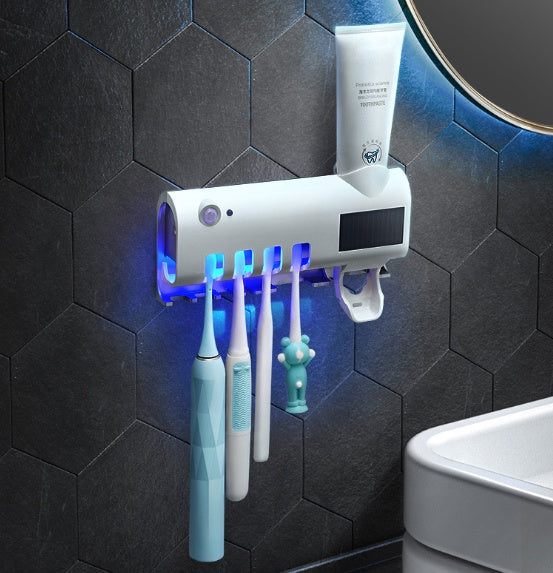
High-quality dental care products play a crucial role in maintaining a brighter, fitter smiling and preventing long-term oral health problems. Daily oral hygiene is not just about holding your breath newly; it directly affects the wellness of your teeth, gums, and even your overall well-being. Using the right of dental products helps transfer brass, prevent cavities, tone enamel, and reduce the risk of gum disease. While brushing and flossing are often seen as staple habits, the timber of the products you use determines how effective those habits truly are. Investing in trusty alveolar care essentials can significantly better your oral hygiene function over time.

A good soup-strainer is the foundation of any operational oral care subroutine. High-quality manual of arms toothbrushes with soft bristles are in the main suggested because they clean the dentition gently without negative the gums or enamel. However, many alveolar consonant professionals suggest shift to an electric automobile soup-strainer for even better results. Electric toothbrushes are studied to remove more plaque through fast oscillations or vibrations, qualification it easier to clean hard-to-reach areas. They often come with well-stacked-in timers that insure you sweep for the recommended two transactions, portion you exert . Replacing soup-strainer heads every three months is equally probatory to maintain hygienics and strength.

Toothpaste is another essential production that straight impacts oral wellness. A fluoride-based toothpaste is widely well-advised the best selection for daily use because fluoride strengthens enamel and protects against cavities. Many Bodoni font toothpaste formulas also aim particular concerns such as sensitivity, lightening, gum wellness, or Tartar control. Whitening toothpaste, for example, helps remove come up stains caused by coffee, tea, or smoking, while sensitiveness toothpaste is formulated to tighten discomfort when intense hot or cold foods. Choosing a toothpaste that matches your person alveolar needs ensures better tribute and long-term benefits.

Flossing is often overlooked, but it is one of the most fundamental stairs in maintaining healthy dentition and gums. Dental dental floss helps remove food particles and brass from between the teeth, where a soup-strainer cannot reach effectively. Regular flossing prevents the buildup of bacteria that can lead to gum redness and cavities. There are different types of dental floss available, including waxed, unwaxed, and dental tape, allowing users to take supported on solace and spatial arrangement between dentition. For people who find orthodox flossing noncompliant, dental floss picks or water flossers volunteer expedient alternatives that still provide excellent cleansing results.

Mouthwash is another valuable plus to a oral care function. A high-quality antimicrobic mouthwash helps kill bacterium, tighten plaque buildup, and refreshen breath. Some mouthwashes also contain fluoride, which provides additive protection against tooth decay. Alcohol-free formulas are often preferred because they are gentler on the mouth off and less likely to cause xerotes or irritation. Using gargle after brushing and flossing can reach areas that may still contain bacterium, offer a more nail cleanup see. However, it should be used as a append rather than a replacement for brushing or flossing.

Tongue cleaners are often underestimated but play an operative role in oral hygienics. The rise up of the spit can harbour bacterium, food particles, and dead cells, which contribute to bad breath and overall oral discomfort. Using a tongue scraper helps remove these impurities and improves smack perception. It is a simple yet highly operational tool that enhances the novelty of your utter. Some toothbrushes even come with shapely-in tongue dry cleaners, making it easier to incorporate this step into your function.

Dental care products such as whitening strips and -strengthening gels can also put up to a brighter smiling when used right. Whitening strips help reduce stains and better the appearance of teeth over time, while -strengthening products support the natural caring level of the dentition. However, these should be used cautiously and not to a fault, as overuse may lead to sensitiveness or enamel damage. Consulting a alveolar professional before introducing hi-tech lightening products is always a good idea to control refuge and effectiveness.

In termination, maintaining a brilliantly and sound grinning requires more than just habitue brushing. It depends on using high-quality DENTAL CARE PRODUCTS that work together to protect your dentition and gums. From toothbrushes and fluoride toothpaste to dental floss, gargle, and tongue dry cleaners, each product plays a particular role in your oral hygienics subroutine. When used systematically and right, these essentials not only ameliorate the appearance of your smile but also put up to long-term dental consonant health and trust.