You might be surprised at how industrial gearbox manufacturers tackle the unpredictable nature of market demand. By harnessing real-time data analytics and embracing advanced production techniques, these companies can adapt swiftly to customer needs. With strategies like flexible supply chains and innovative design approaches, they stay one step ahead. But what specific methods are they employing to ensure they remain competitive in such a volatile environment? Exploring these techniques could reveal insights that might change your perspective on the manufacturing landscape.
Understanding Market Demand Dynamics
Market demand dynamics for industrial gearboxes are influenced by various factors, including technological advancements and shifts in manufacturing processes. As a manufacturer, you need to pay close attention to these changes to stay competitive. When new technologies emerge, they often lead to increased efficiency and better performance, which can raise the demand for specific gearbox types.
Moreover, shifts in manufacturing processes, such as the rise of automation and Industry 4.0, can significantly impact your offerings. Adapting to these trends means understanding how they affect your customers’ needs. If your clients are moving towards more automated systems, they might require gearboxes that aren’t only reliable but also compact and energy-efficient.
Market fluctuations can also arise from economic conditions and regulations. You should keep an eye on market trends and customer preferences, as they often dictate the types of gearboxes in demand.
Advanced Production Techniques
Leveraging advanced production techniques can significantly enhance your manufacturing efficiency and product quality. By adopting automation and robotics, you can streamline repetitive tasks, reduce human error, and boost production speed. This not only saves time but also allows your workforce to focus on more complex and strategic tasks.
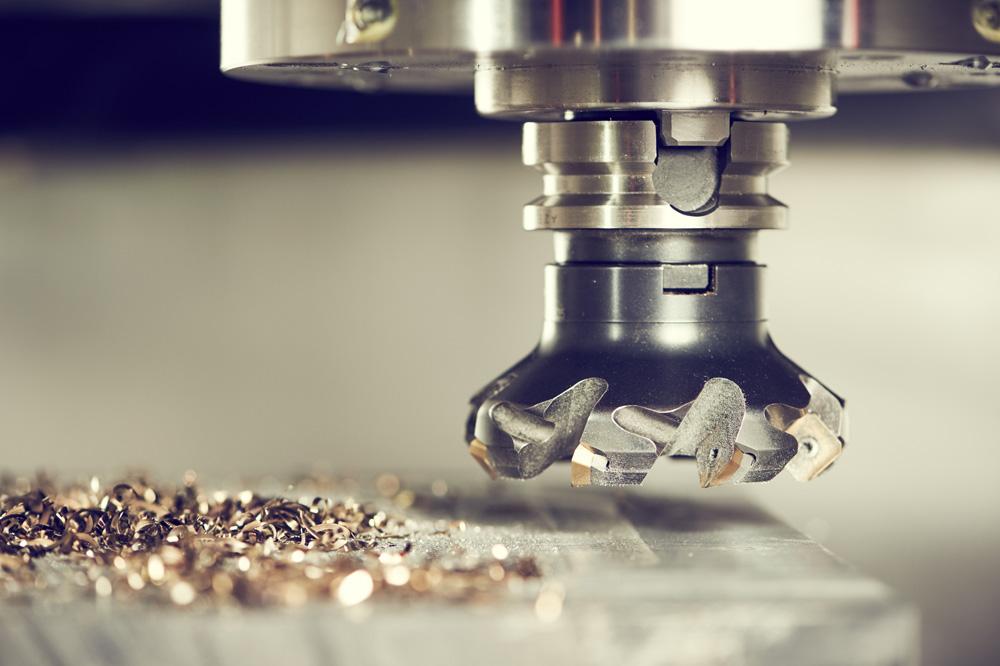
Implementing computer numerical control (CNC) machines further elevates precision in your operations. With CNC, you can achieve intricate designs and maintain strict tolerances, ensuring that each gearbox meets your high standards.
Additionally, using additive manufacturing techniques, like 3D printing, offers flexibility in prototyping and reduces lead times for new designs.
Integrating smart technologies, such as the Internet of Things (IoT), can also provide real-time monitoring of your production processes. You’ll gain insights into machinery performance and can quickly identify and address any issues before they escalate, minimizing downtime and waste.
Lastly, data analytics can help optimize your production schedules based on current market demand, enabling you to respond swiftly to fluctuations.
Flexible Supply Chain Strategies
How can flexible supply chain strategies transform your operations in a volatile market? By adopting these strategies, you can enhance responsiveness and efficiency, allowing you to better navigate fluctuations in demand.
Flexible supply chains enable you to adjust production schedules and inventory levels quickly, ensuring you meet customer needs without overcommitting resources.
One key aspect is diversifying your supplier base. Relying on multiple suppliers reduces risk and enables you to source materials from different locations, adapting to changes in availability or pricing.
Additionally, leveraging technology, such as real-time data analytics, gives you valuable insights into market trends, helping you make informed decisions about inventory management and production planning.
You might also consider implementing just-in-time (JIT) practices. This approach minimizes excess inventory, allowing you to align production closely with demand, reducing costs and waste.
Moreover, developing strong relationships with suppliers and logistics partners fosters collaboration, enhancing your ability to respond to sudden changes in market conditions.
Incorporating these flexible supply chain strategies not only positions you to react swiftly to market demands but also strengthens your overall operational resilience.
You’ll be better equipped to thrive in a competitive landscape, ensuring long-term success for your business.
Innovative Design Approaches
Embracing innovative design approaches can significantly enhance your industrial china gearbox manufacturer manufacturing process. By leveraging advanced materials and cutting-edge technology, you can create gearboxes that aren’t only more efficient but also lighter and more durable.
Consider incorporating simulation software in your design phase. This allows you to predict performance under various conditions, helping you optimize designs before production begins.
Additionally, modular design principles can be your ally. Modular gearboxes allow for easier customization and quicker adjustments to meet specific market demands. This flexibility can help you respond swiftly to fluctuations in demand without sacrificing quality or increasing lead times.
Don’t overlook the potential of 3D printing for prototyping. Rapid prototyping enables you to test and iterate designs in real-time, speeding up the development process while reducing costs.
Collaborating with engineers who specialize in innovative technologies can also bring fresh ideas to your design table.
Case Studies of Successful Adaptation
Many manufacturers have successfully adapted to market demand fluctuations by implementing innovative design strategies. For instance, one company revamped its product line to include modular gearboxes, allowing them to quickly reconfigure designs based on customer needs. This flexibility not only met varying demands but also reduced lead times, enhancing customer satisfaction.
Another case involves a manufacturer that invested in predictive analytics. By analyzing market trends and customer feedback, they could forecast demand more accurately. This foresight enabled them to optimize inventory levels and minimize waste, ensuring they’d the right products available at the right time.
Additionally, a third manufacturer adopted an agile production system. By utilizing cross-trained employees, they could shift resources and production focus swiftly. This adaptability allowed them to respond to sudden spikes in demand without the typical delays associated with traditional production methods.
These examples illustrate how embracing innovative design strategies and operational flexibility can significantly enhance a manufacturer’s ability to navigate market fluctuations. By learning from these case studies, you can identify opportunities to implement similar adaptations in your own business, positioning yourself for success in an ever-evolving marketplace.
Conclusion
In conclusion, industrial gearbox manufacturers are effectively navigating market demand fluctuations by embracing innovative strategies. By leveraging real-time data analytics, automation, and modular designs, they can swiftly adapt to changing customer needs. These proactive approaches not only enhance operational efficiency but also ensure that manufacturers stay ahead of market trends. As you explore this dynamic industry, consider how these advancements shape the future of production and supply chain management.