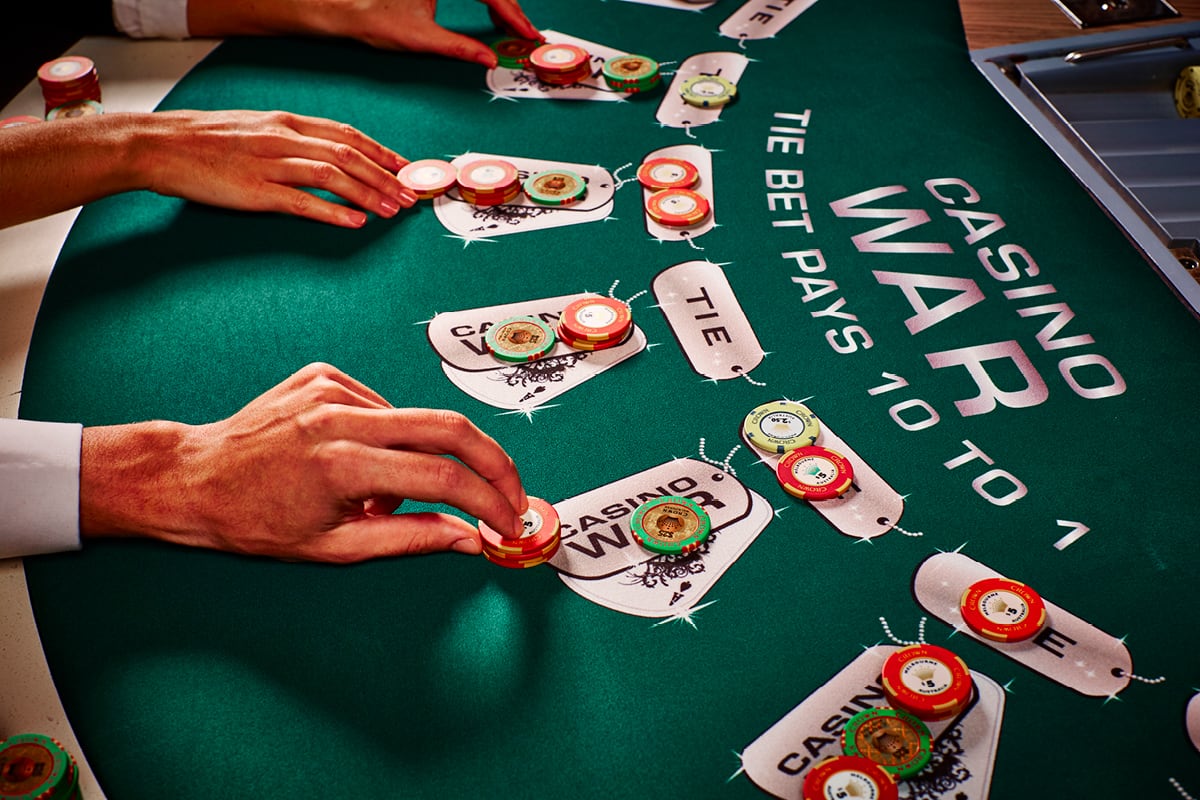
Satta Matka is a form of play that has been deeply rooted in the Indian subcontinent for decades. Originally starting in the 1950s, this game has evolved into a phenomenon that attracts millions of players. Often associated with the earthly concern of card-playing and gaming, Satta Matka blends luck and numbers, offering participants an chance to make quick fortunes, though it is extremely risky. Its appeal lies in the simpleness of the game, the epinephrin rush, and the potency to win substantive amounts of money. Despite its polemical nature and valid implications, Satta Matka has become an inseparable part of Indian gaming .
The game was initially introduced in Mumbai(formerly Bombay) by Kalyanji Bhagat, a pop bookmaker. The term "Matka" itself refers to the earthen pot from which numbers were drawn, an iconic sport of the game. Back in the early days, players used to aim bets on the possibility and shutting rates of cotton traded on the New York Cotton Exchange. These rates were connected to the numbers closed from the Matka, and based on the drawn numbers pool, players could win or lose money. This method of gaming chop-chop gained popularity as it provided an easy and entertaining way to wager money. Over time, Satta Matka evolved into a more structured gambling initialise, where players started sporting on random numbers instead of rates.
satta matka is in the first place a game of , where numbers ranging from 0 to 9 are scripted on pieces of wallpaper, and players take a combination of numbers to bet on. The numbers game are drawn at unselected, and the player whose elect matches the drawn numbers wins. The odds vary based on the add up of digits mired and the type of bet placed. Some of the most popular betting options in Satta Matka are I-digit, double-digit, and triple-digit bets, where players wager on a variety show of possible outcomes. The game's simpleness has made it available to a wide audience, although it still carries substantial risks due to its sporadic nature.
As the game grew in popularity, it became a symbolisation of Mumbai's resistance gambling scene, with many bookies and operators running Satta Matka operations across the city and beyond. In the 1990s, however, the game became infamous for its to nonlegal activities, including money laundering and unionised crime. This connection with has contributed to the game's arguable status, as it is banned in many parts of India. However, despite the legal restrictions, the game continues to prosper in the integer age through online platforms and underground networks.
The advent of the internet and mobile phones has allowed Satta Matka to move beyond its traditional boundaries. Online platforms now help the game, allowing players from all parts of India to target bets and engage in Satta Matka without ever visiting a physical bookmaker. The convenience of online betting, joint with namelessness, has further clean-burning the game's strain. However, this integer shift has also led to concerns about dependence, business enterprise loss, and victimization, as players may find themselves caught in a of nonstop dissipated.
While Satta Matka offers the tempt of moment gratification, it is crucial to sympathise the risks involved. The game operates in a worldly concern where luck reigns supreme, and the chances of losing money far outweigh the chances of victorious. For many, it serves as a form of entertainment or scarper, but it can quickly coil into a dodgy habit if not approached with admonish. Despite the potential for considerable gains, it is world-shaking to recognise Satta Matka as a game of chance, often leading to financial losings, and, in some cases, ruin lives.
In termination, Satta Matka remains an intriguing part of India’s gaming history. Though it has evolved over the eld, its core principles of sporting on numbers and have stayed the same. The game's allure comes from the possibility of striking it rich, but it also carries substantial risks that cannot be unnoticed. As with any form of gambling, it is requisite for players to stay witting of the potency dangers and to hazard responsibly.