Category: Health & Fitness

Unlocking The Benefits And Myths About Wellness SupplementsUnlocking The Benefits And Myths About Wellness Supplements

The earthly concern of health supplements is vast and wide-ranging, from multivitamins to technical biological process supplements for specific conditions or goals. But, what exactly are wellness supplements and how do they profit us? Health supplements are products studied to meliorate your uptake of nutrients, including vitamins and minerals. They come in various forms such as pills, capsules, powders, gels, extracts, or liquids. They are not well-intentioned to supercede a balanced diet, but rather to tone up it and see to it that our bodies get the requisite nutrients they require.

Supplemental nutrients can be salutary to people who don’t incur the required number of certain nutrients from their diet. This may happen due to specific nutritionary gaps, medical examination conditions, or modus vivendi choices. For illustrate, old adults might take a vitamin D and calcium supplement for bone wellness, while vegetarians might take iron and B12 supplements due to a lack of these nutrients in their diet. Moreover, supplements such as folic acid are suggested during maternity to keep give birth defects. brain supplement Somerset West.

However, there is a cloud up of contention surrounding the exercis of supplements. It’s requirement to think of that supplements are not a thaumaturgy potion to attain optimal health all-night. The potency of a add on to a great extent depends on various factors such as one s modus vivendi, dietary habits, and genetics. Excessive using up of certain supplements can also lead to health complications. For example, unreasonable ingestion of vitamin A can cause dizziness and sickness, and high levels of iron can lead to deadening and brook pain.

It is world-shaking to refer with a health care supplier before commencement any append regimen. They can provide direction about which supplements you may need based on your diet and overall wellness position. They can also counsel on potential drug interactions and side effects. Despite the potentiality benefits, health supplements should not be used to replace a equal, nutritious diet full of fruits, vegetables, lean proteins, and whole grains.

Furthermore, the timbre of supplements is a crucial factor to consider. Not all append brands wield tight manufacturing standards. Poor timbre supplements may not provide the promised nutrients, might contain toxic substances, or may not be unreflected effectively by the body.

To sum it up, while supplements can ply additive nutrients to our diet, their expenditure should be approached carefully. With the right guidance from wellness professionals and necessary monish in tone survival, supplements can play a valuable role in a comprehensive examination health care plan. The key is to prioritise a healthy diet and life-style and use supplements to bolster these efforts, not replace them.

The Requirement Guide To Aliment For Maintaining Vim, Effectiveness, And Long-term Wellness Every DayThe Requirement Guide To Aliment For Maintaining Vim, Effectiveness, And Long-term Wellness Every Day

Daily nutriment plays a vital role in maintaining overall wellness, supporting physical public presentation, and up mental well-being. The food we squander every day provides the nutrients our bodies need to go expeditiously. A equal diet helps wield a sound weight, strengthens the immune system, and reduces the risk of prolonged diseases such as , heart , and fleshiness. Developing sound eating habits is one of the most effective ways to improve quality of life and upgrade long-term health. clear protein vs whey protein.

A nutrient daily diet should admit a variety show of foods from different food groups. Fruits and vegetables are rich in vitamins, minerals, antioxidants, and dietary fiber. These nutrients help protect the body from illness and support necessity natural object functions. Whole grains such as oats, brown rice, and whole wheat bread ply complex carbohydrates that provide calm energy throughout the day. Including a many-sided natural selection of fruits and vegetables ensures that the body receives a wide straddle of salutary nutrients.

Protein is another operative component part of nourishment. It helps build and repair tissues, supports musculus increase, and contributes to healthy skin, hair, and nails. Good sources of protein let in lean meats, poultry, fish, eggs, beans, lentils, nuts, and dairy products. Individuals who observe vegetarian or vegan diets can obtain tolerable protein through plant-based sources such as tofu, chickpeas, quinoa, and soy products. Consuming ample protein each day helps wield effectiveness and supports overall body operate.

Healthy fats are also necessary for best wellness. While some populate keep off fats entirely, the body requires certain fats to take over vitamins and subscribe head health. Sources of sound fats let in avocados, olive oil, nuts, seeds, and butterball fish like salmon. These foods cater requirement fatso acids that put up to spirit wellness and help tighten redness. Choosing healthy fats over processed and trans fats can significantly better overall health outcomes.

Hydration is an often-overlooked panorama of daily alimentation. Water is essential for , nutrient transportation system, temperature rule, and run off remotion. Drinking enough water throughout the day helps exert vim levels and supports specific organ operate. While soul water needs vary, staying hydrated should be a priority for everyone. Limiting sugary beverages and choosing water as the primary tope can contribute to better health and weight management.

Portion control is evenly probative when it comes to maintaining a equal diet. Even sound foods should be used up in appropriate amounts. Eating tone down portions and paid care to hunger and voluminosity signals can help keep overeating. Planning meals in throw out and avoiding undue consumption of extremely refined foods can support fitter eating habits and improve organic process poise.

Daily nourishment is not about following stern diets or eliminating front-runner foods. Instead, it involves making consistent, sophisticated choices that provide the body with the nutrients it needs. A balanced approach that includes a variety of wholesome foods, tolerable hydration, and careful feeding habits can lead to cleared vitality, better natural science health, increased mental focalize, and a stronger origination for long wellness. By prioritizing nourishment every day, individuals can a better and more active life-style.

Transforming Perspectives 5 Benefits of Recognizing and Addressing Chest Wall DefectsTransforming Perspectives 5 Benefits of Recognizing and Addressing Chest Wall Defects

Introduction: A Scenario to Consider

Imagine a young child struggling to catch their breath after a short run, while parents watch in concern. Unbeknownst to them, this could be a result of an undiagnosed condition like a chest wall defect. Chest wall deformities can lead to significant health issues, with research suggesting that as many as 1 in 300 children may be affected. How often do you think these defects go unnoticed? It’s vital we explore this topic deeper, to understand how we can mitigate the problems these defects present for individuals and families alike.

Understanding the Flaws of Traditional Solutions

Look, it’s simpler than you think — chest wall deformities are often approached through surgery or physical therapy, but these methods may not address the root issues. Traditional solutions for chest wall defects can sometimes end up being temporary fixes rather than long-term remedies. For instance, the common use of bracing might improve posture but doesn’t truly correct the underlying deformity.

Moreover, many treatments don’t consider the psychological effects on patients, especially children. Being aware of their condition could lead to feelings of inadequacy or isolation. When we ignore the multifaceted nature of these conditions, we can overlook painful user experiences and ultimately fail them. Here’s a thought – are we applying outdated methods rather than innovating? This brings us to discuss how emerging technologies are reshaping the conversation around chest wall deformities.

What’s Next: Future Insights on Chest Wall Deformities

Looking ahead, new technological principles are revolutionizing how we approach chest wall defects. For example, advanced imaging technologies now allow for better assessment of the deformities. This can lead to more personalized treatment plans that consider both physical and emotional needs. Innovations in 3D printing are also enabling custom-fit surgical solutions, addressing some of the limitations associated with traditional methods.

Another point worth mentioning is the increasing interdisciplinary approaches in treatment, integrating specialists from various fields. This collective effort can help ensure that both the physical appearance and the emotional health of patients are adequately attended to. As we delve into this future outlook, it’s crucial we remember the importance of compassion, and treating individuals as more than just their deformities.

Reflecting on Progress and Moving Forward

The journey through recognizing and addressing chest wall deformities teaches us valuable lessons. The progress we’ve seen – both medically and socially – highlights a crucial turning point. Patients no longer face their challenges in isolation; instead, we are beginning to foster a community. Evaluating treatment metrics is essential; we should consider effectiveness, patient satisfaction, and emotional impact as key factors. Thus, it’s safe to say we have much to learn, yet we are on a hopeful path.

In closing, let’s remember that every case matters, and every patient’s story is important. As we navigate the landscape of chest wall deformities, let’s approach the future with open minds and hearts. Progress may be gradual, but by embracing innovation and compassion, we can make significant strides—together!

For more insights and support, connect with ICWS.

L’Approccio Completo alla Cura Dentale Moderna e il Suo Impatto Fondamentale sulla Salute Orale, sul Benessere Generale e sulla Qualità della Vita QuotidianaL’Approccio Completo alla Cura Dentale Moderna e il Suo Impatto Fondamentale sulla Salute Orale, sul Benessere Generale e sulla Qualità della Vita Quotidiana


La cura dentale è una componente essenziale della salute umana che va ben oltre l’aspetto estetico del sorriso. Una bocca sana contribuisce in modo significativo alla qualità della vita, influenzando la capacità di masticare, parlare e relazionarsi con gli altri in modo sicuro e senza disagio. Nonostante la sua importanza, molte persone tendono a trascurare l’igiene orale quotidiana fino alla comparsa di problemi evidenti come dolore, sensibilità o infezioni. Tuttavia, una prevenzione costante e consapevole può evitare la maggior parte delle patologie dentali e garantire una salute orale duratura.

Una corretta routine di igiene orale inizia con lo spazzolamento dei denti, che dovrebbe essere effettuato almeno due volte al giorno utilizzando un dentifricio al fluoro. Il fluoro svolge un ruolo fondamentale nel rafforzare lo smalto dentale e nel prevenire la formazione delle carie. Oltre allo spazzolamento, l’uso quotidiano del filo interdentale è indispensabile per rimuovere residui di cibo e placca tra i denti, aree difficili da raggiungere con lo spazzolino tradizionale. L’eventuale utilizzo di collutori antibatterici può fornire un ulteriore livello di protezione contro i batteri responsabili delle infezioni gengivali.

L’alimentazione è strettamente collegata alla salute dei denti e delle gengive. Una dieta ricca di zuccheri raffinati e bevande gassate aumenta il rischio di carie, poiché favorisce la proliferazione dei batteri nella bocca. Al contrario, alimenti ricchi di calcio, fosforo e vitamine, come latte, formaggi, verdure a foglia verde e frutta fresca, contribuiscono a mantenere i denti forti e sani. Anche l’idratazione gioca un ruolo importante, poiché l’acqua aiuta a eliminare i residui alimentari e a mantenere un ambiente orale equilibrato.

Le visite regolari dal dentista rappresentano un elemento chiave della prevenzione. Controlli periodici consentono di individuare precocemente eventuali problemi come carie iniziali, gengiviti o altre patologie orali, riducendo così la necessità di trattamenti complessi in futuro. La pulizia professionale eseguita da un igienista dentale permette di rimuovere tartaro e placca indurita che non possono essere eliminati con la sola igiene domestica. Inoltre, il dentista può fornire consigli personalizzati per migliorare le abitudini quotidiane del paziente.

Negli ultimi anni, la consapevolezza riguardo alla connessione tra salute orale e salute generale è aumentata notevolmente. Diversi studi scientifici hanno dimostrato che infezioni orali non trattate possono essere associate a problemi sistemici come malattie cardiovascolari, diabete e complicazioni respiratorie. Questo evidenzia quanto sia importante considerare la bocca come parte integrante dell’intero organismo e non come un’area isolata.

Anche l’aspetto psicologico della cura dentale è significativo. Un sorriso sano e curato contribuisce ad aumentare l’autostima e la sicurezza personale, influenzando positivamente le relazioni sociali e professionali. Al contrario, problemi dentali visibili possono generare disagio e ridurre la fiducia in sé stessi. dentisti a Tirana.

In conclusione, la cura dentale rappresenta un investimento fondamentale per la salute e il benessere complessivo. Attraverso una corretta igiene orale quotidiana, una dieta equilibrata e controlli regolari dal dentista, è possibile prevenire numerose patologie e mantenere un sorriso sano per tutta la vita. Prendersi cura dei propri denti significa prendersi cura di sé stessi a 360 gradi, migliorando non solo la salute orale ma anche la qualità della vita nel suo insieme.

Why eating changes matter to Gynecologists?Why eating changes matter to Gynecologists?

When discussing women’s health, diet is often treated as a secondary concern, but in reality, it plays a central role in hormonal balance, reproductive health, and overall gynecological well-being.
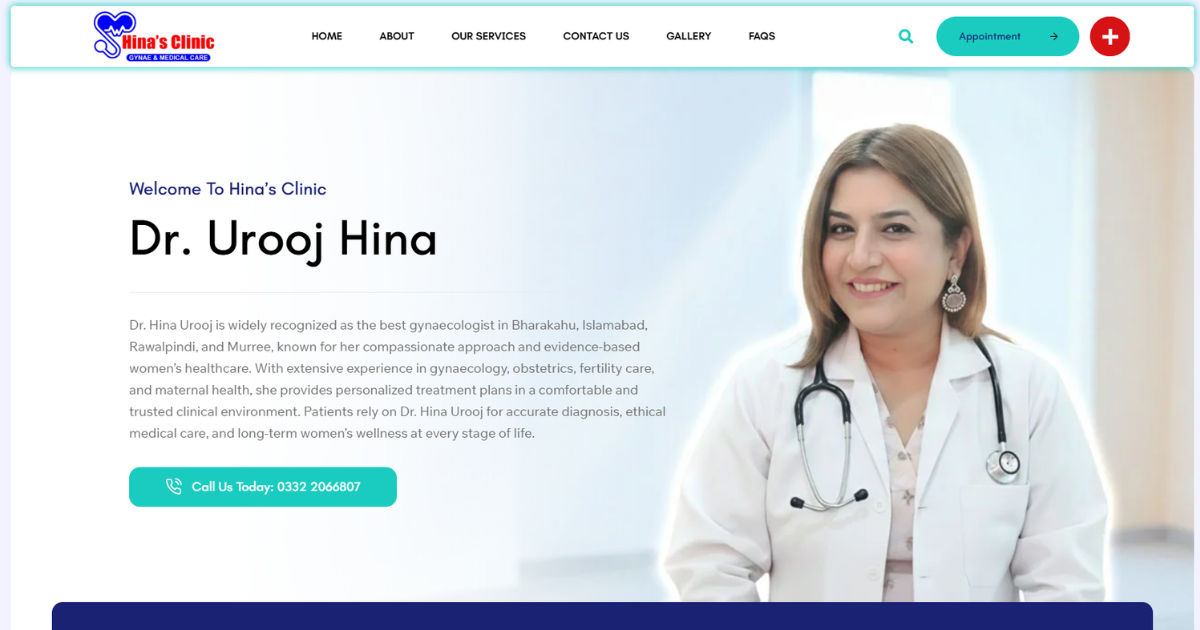
In modern clinical practice, even specialists such as the Best Gynaecologist in Islamabad increasingly emphasize the importance of dietary habits because what a woman eats can directly influence menstrual cycles, fertility, pregnancy outcomes, and long-term hormonal stability.

Understanding why eating changes matter to gynecologists helps patients see the connection between everyday food choices and complex reproductive system functions. This guide explains in detail how nutrition interacts with gynecological health and why it has become a key part of diagnosis and treatment.


The Link Between Nutrition and Women’s Reproductive Health

The female reproductive system is highly sensitive to internal and external changes, and nutrition is one of the most powerful external factors. Gynecologists pay attention to dietary patterns because hormones such as estrogen, progesterone, and insulin are directly influenced by nutrient intake.

When the body lacks essential vitamins, minerals, or macronutrients, it can disrupt ovulation, delay menstrual cycles, or even contribute to conditions like polycystic ovary syndrome. On the other hand, a balanced diet supports consistent hormonal function, improves egg quality, and promotes regular reproductive cycles.

Eating habits are not just about weight management; they are deeply connected to how the reproductive system performs on a cellular level.


How Diet Influences Hormonal Balance

Hormones act as chemical messengers that regulate almost every function in the female body. Even small changes in diet can significantly affect hormone production and regulation.

High sugar intake, for example, can lead to insulin spikes, which in turn may disrupt ovarian function. Excess processed foods can increase inflammation, interfering with normal hormonal signaling. Meanwhile, diets rich in healthy fats, fiber, and proteins help stabilize hormone levels and support endocrine health.

Gynecologists often observe that women who experience irregular periods or hormonal acne frequently have underlying dietary imbalances that contribute to these issues.


Menstrual Health and Eating Patterns

Menstrual cycles are one of the clearest indicators of reproductive health. Gynecologists frequently assess diet when patients report irregular, painful, or absent periods.

Iron deficiency from poor dietary intake can worsen menstrual fatigue and cause anemia. Similarly, a lack of essential fatty acids may increase menstrual cramps and inflammation. Women who follow highly restrictive diets sometimes experience missed periods due to insufficient calorie intake, which signals the body to conserve energy rather than support reproduction.

Balanced eating helps regulate cycle length, reduces PMS symptoms, and supports smoother hormonal transitions throughout the month.


The Role of Diet in Fertility

Fertility is closely tied to nutritional status. Gynecologists often emphasize that both undernutrition and overnutrition can affect a woman’s ability to conceive.

Certain nutrients, such as folic acid, zinc, vitamin D, and omega-3 fatty acids, are essential for healthy ovulation and egg development. Poor dietary habits can reduce egg quality and disrupt ovulation cycles, making conception more difficult.

In many fertility assessments, doctors evaluate eating patterns as part of a broader reproductive health plan. Adjusting diet is often one of the first recommended steps before more advanced treatments are considered.


Polycystic Ovary Syndrome (PCOS) and Dietary Impact

PCOS is one of the most common hormonal disorders seen in gynecology clinics, and diet plays a major role in its management.

Insulin resistance is a key factor in PCOS, and food choices directly influence blood sugar levels. Diets high in refined carbohydrates and sugar can worsen symptoms, including weight gain, irregular periods, and acne. Conversely, low-glycemic foods, fiber-rich vegetables, and lean proteins can help regulate insulin levels and reduce symptoms.

Gynecologists often recommend dietary modifications as a foundational part of PCOS treatment, sometimes even before prescribing medication.


Pregnancy Nutrition and Maternal Health

During pregnancy, nutrition becomes even more critical because it affects both the mother and the developing baby. Gynecologists closely monitor dietary intake to ensure that essential nutrients are being consumed in adequate amounts.

Protein supports fetal growth, calcium strengthens bones, and folic acid helps prevent neural tube defects. Iron is essential for preventing anemia, which is common during pregnancy. Poor eating habits during this time can increase the risk of complications such as low birth weight or gestational diabetes.

This is why gynecologists provide detailed dietary guidance as part of prenatal care, ensuring both maternal and fetal health are protected.


Menopause and Dietary Adjustments

As women transition into menopause, hormonal changes can lead to symptoms such as hot flashes, mood swings, and bone density loss. Diet plays a key role in managing these changes.

Calcium and vitamin D become especially important to maintain bone health. Phytoestrogen-rich foods like soy may help balance declining estrogen levels. At the same time, reducing caffeine, sugar, and processed foods can help minimize symptoms such as irritability and sleep disturbances.

Gynecologists often recommend dietary changes as part of a holistic approach to managing menopause.


Weight Changes and Gynecological Health

Unexplained weight gain or loss is often one of the first signs that something is affecting hormonal health. Gynecologists carefully evaluate eating habits when patients present with such changes.

Excess weight can increase estrogen levels and worsen conditions like PCOS or endometriosis. On the other hand, being underweight can lead to missed periods and fertility issues due to insufficient hormone production.

Balanced nutrition supports a healthy weight range, which in turn supports proper reproductive function.


Gut Health and Its Connection to Hormones

Modern research shows that gut health has a strong connection to hormone regulation. The digestive system helps process and eliminate excess hormones, particularly estrogen.

Poor diet can disrupt gut bacteria, leading to inflammation and hormonal imbalance. Fiber-rich foods, probiotics, and adequate hydration support gut health, which indirectly benefits reproductive health.

Gynecologists increasingly consider digestive health when evaluating unexplained hormonal symptoms.


Inflammation and Reproductive Disorders

Chronic inflammation is linked to several gynecological conditions, including endometriosis and pelvic pain disorders. Diet plays a significant role in either increasing or reducing inflammation in the body.

Processed foods, trans fats, and excessive sugar can trigger inflammatory responses. Anti-inflammatory foods such as fruits, vegetables, nuts, and fish can help reduce symptoms and improve overall reproductive comfort.

This is why dietary counseling is often included in long-term gynecological treatment plans.


Emotional Health, Eating, and Hormonal Balance

Emotional well-being is closely connected to eating habits and hormonal stability. Stress can lead to unhealthy eating patterns, which in turn disrupt hormonal balance.

Gynecologists recognize that conditions like stress-induced amenorrhea or emotional eating can significantly affect reproductive health. A balanced diet supports not only physical health but also mental stability, which is essential for hormonal regulation.


Why Gynecologists Ask About Diet

Many patients are surprised when gynecologists ask detailed questions about eating habits during consultations. However, this information is crucial for accurate diagnosis.

Dietary history helps doctors understand potential causes of symptoms such as irregular periods, infertility, fatigue, or hormonal acne. It also helps in designing personalized treatment plans that address root causes rather than just symptoms.

Nutrition is now considered an essential part of reproductive medicine rather than a separate field.


The Preventive Role of Diet in Gynecology

One of the most important aspects of diet in gynecology is prevention. Healthy eating habits can reduce the risk of many reproductive disorders before they develop.

A nutrient-rich diet supports regular ovulation, reduces inflammation, maintains healthy weight, and stabilizes hormones. This preventive approach is increasingly emphasized in modern gynecological care.


Conclusion

Diet is no longer viewed as a general lifestyle factor in women’s health; it is a core component of gynecological evaluation and treatment. From menstrual regulation and fertility to pregnancy and menopause, eating habits influence nearly every stage of reproductive life.

Gynecologists carefully assess dietary patterns because food choices directly affect hormones, metabolism, and reproductive function. Understanding this connection allows patients to take more control over their health and work more effectively with their healthcare providers.

When nutrition is balanced and intentional, it becomes a powerful tool for preventing disease, improving fertility, and supporting long-term hormonal stability.