
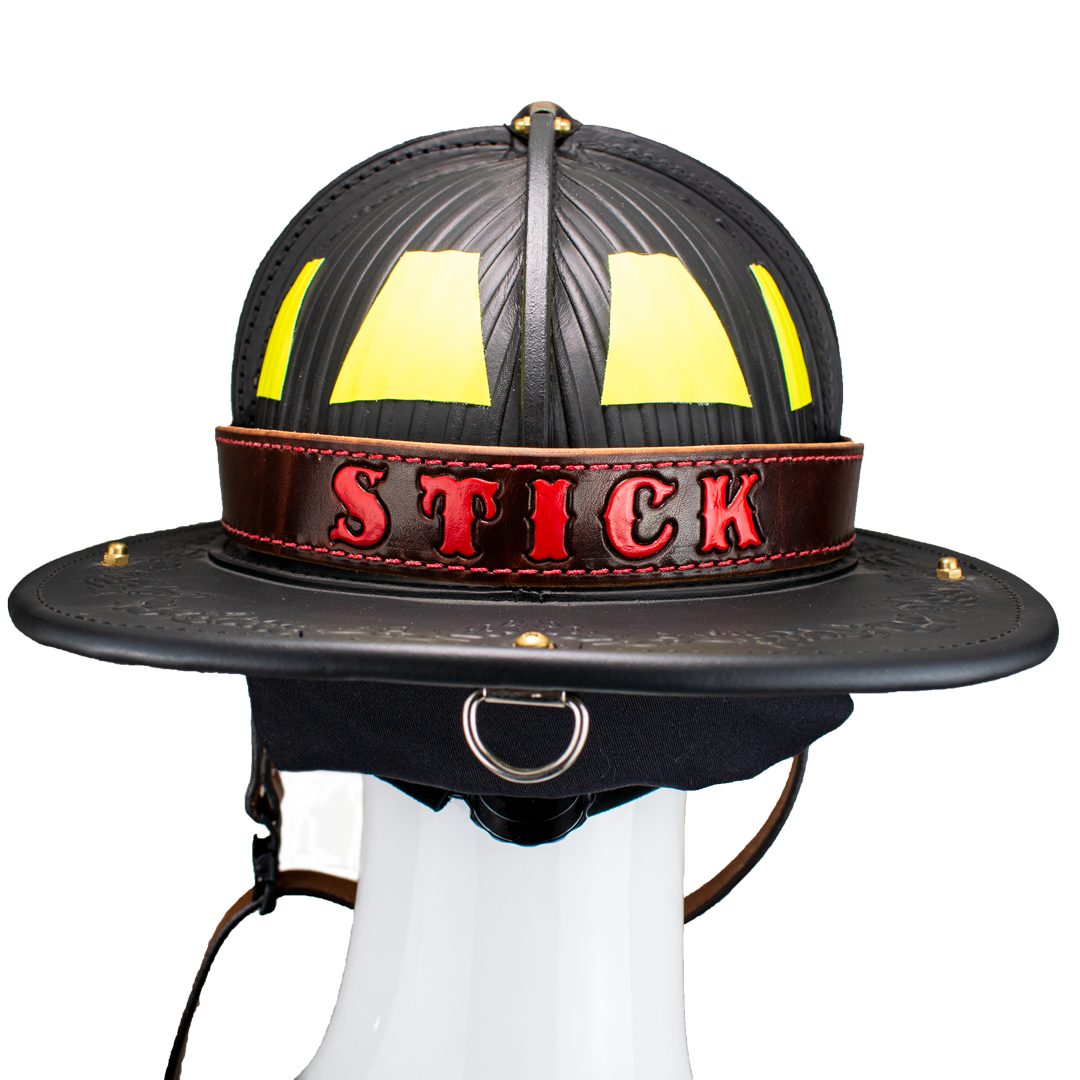
Leather helmets have long been storied for their unusual of enduringness, solace, and real charm, service both realistic and esthetic purposes across different periods and professions. Originally designed to cater basic protection for soldiers, aviators, and motorcyclists, leather helmets have evolved into iconic symbols of heritage, craftsmanship, and subjective title. Their different texture, flexibility, and resiliency make them an enduring pick for enthusiasts who value legitimacy and orthodox design over mass-produced alternatives. Beyond their caring qualities, leather helmets also cultural and existent import, connecting wearers to the rich traditions of war machine, airmanship, and motorcycling history.
In the early 20th century, leather helmets were necessity gear for aviators and soldiers. Pilots of World War I and early World War II relied on leather helmets to screen their heads from cold temperatures, wind, and tike impacts, while providing solace during long hours in open cockpits. Similarly, motorcycle riders adoptive leather helmets in the mid-1900s as an available form of head protection before the general introduction of hard-shell helmets. The natural properties of leather, including its breathability, bad condition, and power to conform to the form of the wearer s head, made it apotheosis for lengthened use while maintaining a jackanapes profile. Even nowadays, collectors and enthusiasts seek time of origin leather helmets for their existent genuineness and the craft that represents an era when usefulness gear was also a work of art.
Modern leather leather fire helmet combine traditional aesthetics with hi-tech manufacturing techniques to meet contemporary safety and soothe standards. Today s high-quality leather helmets often let in soft linings, adjustable straps, and strengthened stitching to cater better protection while maintaining the classic look that has made them so worthy. They are pop not only among motorcyclists who favor a retro title but also among designers, reenactors, and collectors who appreciate the heritage and prowess associated with leather helmet construction. The careful natural selection of leather, whether full-grain, top-grain, or vintage-treated, ensures both durability and a distinctive visual aspect that improves over time as the leather develops a cancel patina.
Leather helmets also answer as collectible items and conversation pieces for enthusiasts around the worldly concern. Historical replicas, military-issue helmets, and rare vintage pieces are highly valuable for their workmanship, provenience, and condition. Collectors often seek helmets with unusual markings, insignia, or time period-specific features that tell a account about their origins and use. Owning a leather helmet is not merely about possessing caring gear; it is about conserving a tactual link to chronicle and experiencing the tangible and visible qualities that only leather can volunteer. The process of getting, maintaining, and wearing these helmets can become a bountied rocking hors, shading story, forge, and functionality in a way few Bodoni font accessories can retroflex.
Ultimately, leather helmets are much more than simple headdress they are a celebration of custom, style, and long-suffering craftsmanship. From their virtual beginnings in aviation and motorcycling to their status as collectible and fashion items, leather helmets preserve to the resource of enthusiasts and historians alike. With specific care, they volunteer lasting value, soothe, and tribute, bridging the past with the present while making a bold command about individuation, inheritance, and appreciation for artisanal plan. Their dateless appeal ensures that leather helmets continue a cherished patch of personal history and a will to the science and artistry of leatherwork.
