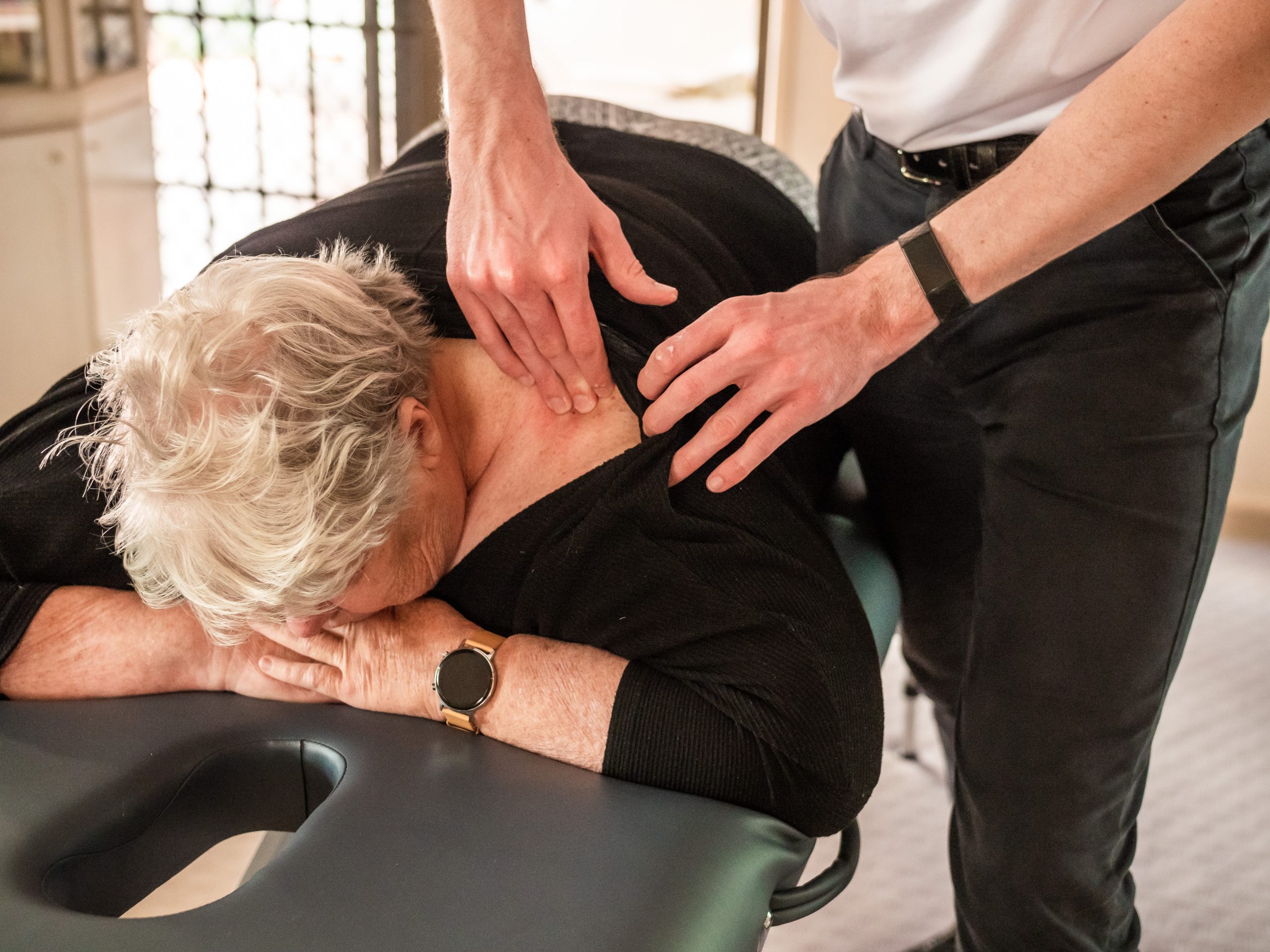
The Sojourner Truth About Steroids In Sports And Bodybuilding

Steroids have been a contentious issue for decades, particularly in the world of sports and musclebuilding. At first, they were hailed as a miracle drug that could heighten performance and produce the hone build. But as their veto effects began to come up, they became a seed of controversy and their use was banned in professional sports. So, what exactly are steroids and what are their effects on the man body?

Steroids, also known as constructive-metabolic-androgenic steroids, are synthetic variations of the male sex internal secretion testosterone. They were ab initio developed in the 1930s to treat hypogonadism, a in which the testicles do not create enough testosterone. Today, steroids are used to treat a variety show of medical checkup conditions such as Anemia, front malignant neoplastic disease, and AIDS cachexy syndrome. However, they have also gained popularity among athletes and bodybuilders for their power to step-up muscle mass and effectiveness.

One of the main reasons steroids are so magnetic to athletes and bodybuilders is their ability to heighten public presentation. By accelerative protein synthetic thinking and nitrogen retention, they help the body to build and repair musculus tissue at a quicker rate. This results in magnified musculus mass, strength, and endurance. Additionally, steroids can also meliorate the body’s recovery time, allowing athletes to train harder and more oft.

But along with their benefits, steroids also have a long list of serious side personal effects. One of the most common side personal effects is the suppression of natural testosterone product. This can lead to various wellness issues such as infertility, impotence, and even gonad atrophy. Steroids can also cause liver , high blood squeeze, and an accumulated risk of heart . In women, the use of steroids can lead to virilisation, with symptoms such as facial hair growth, of the vocalize, and irregular emission cycles.

Another John R. Major touch on with steroids is their potential for addiction. Users can train a psychological dependance on steroids, to exert their newfound muscles and potency. This can lead to steroid pervert and other insecure behaviors, such as mix different types of steroids or using large doses for spread-eagle periods of time.

Despite being banned in professional person sports, the use of steroids is still prevalent. Many athletes and bodybuilders are willing to take the risk of getting caught in order to accomplish their craved results. This not only gives them an below the belt vantage over their competitors but also promotes an impractical and unhealthy standard of dish.

It’s of import to note that not all steroids are smuggled or vesicatory. There are valid and formal steroids, such as corticosteroids, which are used to regale inflammation and reaction diseases. These are different from constructive-metabolic steroids for sale new zealand and do not have the same public presentation-enhancing personal effects. But regardless of their legality, it is significant to always look up a doctor before pickings any type of steroids and watch the suggested dosage.

In conclusion, while steroids may cater temporary worker benefits in price of performance and physical appearance, the long-term consequences and risks far preponderate the short-circuit-term gains. Their use must be with kid gloves monitored and should only be used for legalize health chec reasons under the supervision of a doctor. It’s time for athletes and bodybuilders to shift their focus to cancel and healthy methods of up their public presentation and achieving their seaworthiness goals.

Related Post

마사지 치료사의 서비스를 받아야 하는 이유마사지 치료사의 서비스를 받아야 하는 이유

마사지 치료사의 서비스를 받아야 하는 이유 – Denzel Galea

사무실에서 마감일을 맞추는 데 지루하고 지치셨나요? 집에 돌아온 후 피곤하신가요? 다음 날 도전에 맞설 자신감이 없다고 생각하시나요? 글쎄요! 이것들은 우리 모두가 한 번쯤은 겪는 일반적인 문제입니다. 몰타 마사지는 이런 문제를 아주 쉽게 없애는 데 도움이 될 수 있습니다. 매일 마사지를 받거나 매주 습관으로 삼을 수 있습니다. 마사지를 받는 횟수에 관계없이, 신체에 이로운 이 마사지는 놀라운 결과를 가져올 수 있습니다. 오늘날 일상 생활에서 혼란을 겪은 후 휴식을 추구하는 대부분의 사람들은 신체적, 정신적 웰빙을 돌보기 위해 마사지 치료사를 고용합니다.

마사지 치료사가 신체적, 정신적으로 어떻게 당신을 도울 수 있는지 알아보세요
마사지 치료를 받은 후 대부분의 사람들은 편안함을 느낍니다. 그 이유를 아십니까? 마사지는 신체의 압력을 해소하는 오래된 기술입니다. 허리 아랫부분에 끊임없이 잔소리 같은 통증에 시달리고 그런 통증으로 움직일 수 없다면 마사지 치료가 당신을 구해줄 수 있습니다. 마사지를 통해 다음과 같이 관절, 근육 및 기타 신체 부위의 통증을 완화할 수 있습니다.

  • 무릎
  • 소유
  • 고관절

마사지 치료사는 터치 테라피 방법을 통해 통증을 치료할 수 있는 힘을 가지고 있습니다. 그는 모든 차분한 터치로 오랫동안 당신을 괴롭혔던 통증을 해소할 수 있습니다. 마사지 테라피는 광범위한 문제를 치료하는 데 매우 효과적입니다. 치료사는 손, 손가락, 팔꿈치를 사용하여 신체 부위를 만져서 일상적인 움직임을 방해하던 통증을 해소합니다.


우울증 제거
우울증은 즉시 치료해야 합니다. 정신 장애는 건강에 해를 끼치고 다양한 문제를 일으킬 수 있습니다. 마사지 요법은 개인이 우울증을 크게 극복하도록 돕는 독특한 방법입니다. 대한민국달리기 치료사는 방해를 받고 도움이 필요한 사람의 마음을 진정시키는 방법을 정확히 알고 있습니다. 때때로 우울증은 만성 통증으로 인해 발생할 수 있으며 일부 개인은 통증을 다루는 것이 정말 어려울 수 있습니다. 정신 질환은 몰타 마사지로 치료할 수 있습니다. 행복으로 가득 찬 삶을 즐기려면 이 요법을 찾으십시오.

전반적인 웰빙
다양한 이유로 신체적 질병을 겪는 사람들이 있습니다. 그들은 마사지 요법을 통해 치료받을 수 있는데, 이는 그들이 치료에 열려 있기 때문에 가능합니다. 마사지 치료사는 치유 기술을 다양한 다른 피트니스 정권과 통합할 수 있으며 웰빙을 필수적인 측면으로 생각하는 개인의 삶에 큰 변화를 가져올 수 있습니다. 마사지 치료사는 전반적인 변화를 가져올 수 있으며 심지어 자신감 수준을 향상시킬 수도 있습니다. 대부분의 개인은 대중을 피하거나 군중과 마주하는 데 자신감이 부족합니다. 마사지는 내면에서 마음을 치료하는 데 도움이 됩니다. 그것은 사람이 정신적으로 건강을 유지하도록 격려합니다. 이러한 전반적인 변화를 기대하고 있다면 긍정적인 결과를 가져올 것이라고 안심시켜 줄 치료사로부터 마사지를 받으세요.

몰타에서 마사지를 떠올리면 가장 먼저 떠오르는 생각은 무엇인가요? 대부분의 사람들은 편안한 음악이 배경에서 재생되고, 에센셜 오일 냄새가 공기를 가득 채우고, 마사지사가 등을 마사지하는 편안한 바디 스파를 떠올립니다. 이것이 대부분의 사람들이 생각하는 가장 흔한 이미지입니다. 하지만 좋은 헤드 마사지를 들어보셨나요? 아니면 마사지사가 두피에 뜨거운 코코넛 오일을 바르고 두피가 오일을 흡수할 때까지 머리를 계속 마사지하는 핫 오일 헤드 마사지는 들어보셨나요? 좋은 헤드 마사지는 놀라운 효과를 낼 수 있습니다. 지난 며칠 동안 겪었던 스트레스와 심한 두통을 완화하는 데 도움이 될 수 있습니다.

모든 마사지의 가장 큰 이점은 신체 마사지이든 머리 마사지이든 혈액 순환을 개선하는 데 도움이 된다는 것입니다. 머리 마사지의 경우 뇌의 혈액 순환이 개선됩니다. 그 결과 스트레스, 긴장 및 피로가 몇 분 만에 사라집니다. 게다가 두피의 질이 개선되고 비듬을 제거하고 탈모를 조절하며 모발 성장도 개선할 수 있습니다. 대부분의 스파에서 머리 마사지를 마친 후 밤새 머리카락에 오일을 두라고 요청합니다. 다음 날 씻어내야 합니다.

Long-Term Medication Management A Plan for Sustainable WellnessLong-Term Medication Management A Plan for Sustainable Wellness

For many individuals navigating a mental health condition, medication becomes a vital component of their journey toward stability and improved well-being. What often begins as a necessary step to alleviate acute symptoms frequently evolves into a longer-term strategy. The prospect of long-term antidepressant use or extended medication for other psychiatric conditions can feel daunting, raising questions about efficacy, side effects, and the path ahead. The truth is, managing a mental health condition over years, sometimes a lifetime, requires a proactive, informed, and collaborative approach, not just an initial prescription.

Consider the parallel with other chronic health conditions like diabetes or hypertension. We don’t expect a one-time intervention to cure them; instead, we anticipate ongoing management, lifestyle adjustments, and regular check-ups. Mental health conditions often demand the same sustained commitment. This article outlines essential strategies for developing a robust plan for expert psychiatric medication management, ensuring that medication continues to support your health and quality of life effectively.

Understanding the Role of Medication in Chronic Condition Management

Psychiatric medications, including antidepressants, mood stabilizers, and anti-anxiety agents, are powerful tools designed to correct chemical imbalances, modulate neural pathways, or alleviate distressing symptoms. They are not a “cure” in the conventional sense, but rather a means of managing symptoms, reducing the frequency or severity of episodes, and restoring a level of functioning that allows for engagement in therapy, personal growth, and daily life. The decision to embark on long-term antidepressant use or other psychiatric medication regimens is typically made after careful consideration of symptom severity, diagnostic clarity, patient history, and potential risks versus benefits.

Many mental health conditions, such as recurrent depression, bipolar disorder, or certain anxiety disorders, are recognized as chronic conditions. This classification means they require ongoing attention, much like asthma or autoimmune diseases. For these conditions, medication often functions as a preventive measure, much as it treats acute symptoms. Staying well on medication involves viewing it as a foundation for overall well-being, rather than a temporary fix.

Adherence, or consistently taking medication as prescribed, is paramount. Irregular dosing can lead to fluctuating symptom control, increased risk of relapse, and potential for more severe side effects. Establishing routines, utilizing pill organizers, and setting reminders can significantly improve adherence. Open communication with your prescribing provider about any challenges in taking medication is crucial, as adjustments or alternative strategies might be available.

Developing a Personalized Long-Term Medication Plan

Effective mental health maintenance on medication is a dynamic process that necessitates a personalized plan. This plan should evolve with you, adapting to life changes, new symptoms, or changes in medication efficacy.

Initial Assessment and Goal Setting

The journey begins with a thorough assessment by a qualified psychiatric professional. This isn’t just about diagnosis; it’s about understanding your unique history, previous responses to treatment, current lifestyle, and personal goals. Establishing clear, realistic goals for medication is vital. Are you aiming for complete symptom remission, significant symptom reduction, prevention of future episodes, or improved functionality?

  • Comprehensive Evaluation: A detailed medical and psychiatric history, including family history, substance use, and co-occurring medical conditions.
  • Symptom Baseline: Documenting the severity and frequency of symptoms before starting medication to track progress.
  • Personal Goals: Articulating what “sustainable wellness” means to you—perhaps it’s consistent energy, fewer panic attacks, or improved concentration.

Titration and Stabilization Phase

Finding the right medication and dosage is often a process of careful titration, or gradual adjustment. This phase requires patience and close monitoring. It’s common for initial medications or dosages not to be perfectly suited, and adjustments are expected. The goal here is to achieve optimal therapeutic effect with minimal side effects.

Your provider will monitor for:

  • Therapeutic Response: How effectively the medication is reducing target symptoms.
  • Side Effects: Any unwanted effects and their severity. Management often involves dosage adjustments, timing changes, or adjunctive medications.
  • Drug Interactions: Ensuring compatibility with other medications or supplements.

Ongoing Monitoring and Adjustment

Once a stable dose is reached and symptoms are well-managed, the focus shifts to ongoing monitoring. Regular appointments with your psychiatric provider are essential, even if you are feeling well. These check-ins allow for:

  • Symptom Review: Discussion of any subtle changes in mood, energy, sleep, or other relevant symptoms.
  • Side Effect Assessment: Ongoing evaluation of any persistent or new side effects, including metabolic changes or other physical health impacts.
  • Lifestyle Integration: How medication is supporting your broader wellness efforts, such as therapy, exercise, and diet.
  • Medication Efficacy: Re-evaluating if the medication is still providing the desired therapeutic benefit as life circumstances change.

Sometimes, a medication that once worked effectively may become less potent over time, or new life stressors might require an adjustment. This is part of staying well on medication and reflects a commitment to responsive, patient-centered care. For those seeking dedicated support in this critical phase, professional medication management services can provide invaluable guidance and oversight.

Addressing Common Concerns in Long-Term Medication Use

Patients often voice concerns about the longevity of medication use. These are valid questions that merit thorough discussion with a healthcare provider.

Side Effects and Health Monitoring

Some psychiatric medications carry potential long-term side effects, such as metabolic changes (weight gain, increased cholesterol, blood sugar), cardiovascular effects, or neurological impacts. A comprehensive long-term plan includes proactive health monitoring. This might involve regular blood tests, blood pressure checks, and discussions about nutrition and physical activity. The aim is to mitigate risks and maintain overall physical health alongside mental well-being.

Potential Long-Term Side Effect Monitoring Strategy Mitigation Approaches
Metabolic Changes (e.g., weight gain, elevated lipids) Regular blood tests (glucose, lipid panel), BMI checks Dietary modifications, exercise, medication adjustments (if appropriate)
Cardiovascular Effects (e.g., blood pressure changes) Regular blood pressure monitoring Lifestyle changes, adjunctive medications for blood pressure
Neurological Effects (e.g., tremors, involuntary movements) Clinical observation, neurological assessments Dosage adjustment, anti-tremor medications, considering alternative therapies
Sexual Dysfunction Open discussion with provider Medication switching, dosage reduction, adjunctive therapies

Transparency about any side effects you experience, even subtle ones, is vital for your provider to make informed decisions about your care. Sometimes, switching to a different medication within the same class or adding a low-dose adjunctive medication can alleviate these concerns without compromising mental health stability.

Stigma and Personal Identity

A significant challenge for many is the stigma associated with taking psychiatric medication, especially long-term. Society often attaches negative connotations to mental illness and its treatment, which can lead to feelings of shame or self-judgment. However, accepting medication as a tool for health, much like insulin for diabetes, can be incredibly liberating. It’s important to remember that medication does not define who you are; it empowers you to be your authentic self by managing symptoms that impede your functioning.

Potential for Tapering and Discontinuation

While this article focuses on long-term management, the question of whether medication can eventually be discontinued often arises. For some individuals, particularly those with less severe or situational episodes, a gradual taper under strict medical supervision may be possible after an extended period of stability. However, for many with chronic or recurrent conditions, discontinuation carries a significant risk of relapse. The decision to taper off medication is complex and should only be made in close consultation with a prescribing provider, considering individual risk factors, symptom history, and current life circumstances. It is never advisable to stop medication abruptly.

Integrating Medication with Holistic Wellness Strategies

Medication is most effective when it is part of a broader, holistic approach to mental health maintenance. It creates the foundation upon which other wellness strategies can build and flourish.

Therapy and Psychosocial Interventions

Psychotherapy, such as Cognitive Behavioral Therapy (CBT), Dialectical Behavior Therapy (DBT), or psychodynamic therapy, can teach coping skills, address underlying thought patterns, and help process emotional experiences. When medication effectively reduces acute symptoms, individuals are often better positioned to engage meaningfully in therapy. Therapy can help address the root causes of distress, improve interpersonal relationships, and build resilience, complementing the work of medication.

Lifestyle Factors

Our daily habits profoundly impact our mental well-being. Incorporating healthy lifestyle practices is not merely supplementary but integral to sustained wellness.

  • Regular Physical Activity: Exercise can be a powerful mood booster, stress reducer, and can mitigate some medication side effects.
  • Nutritious Diet: A balanced diet rich in whole foods supports brain health and can influence mood and energy levels.
  • Adequate Sleep: Consistent, restorative sleep is critical for mental and physical recovery. Sleep deprivation can exacerbate symptoms of many mental health conditions.
  • Stress Management: Techniques like mindfulness, meditation, deep breathing, or yoga can help regulate the body’s stress response.
  • Social Connection: Maintaining meaningful relationships provides support, reduces feelings of isolation, and fosters a sense of belonging.

Developing a Relapse Prevention Plan

Even with consistent medication use and healthy habits, life can present unexpected challenges. A well-developed relapse prevention plan is a cornerstone of chronic condition management. This involves:

  1. Identifying Triggers: Recognizing situations, stressors, or internal states that have previously led to symptom worsening.
  2. Early Warning Signs: Learning to identify subtle changes in mood, thought patterns, or behavior that signal an impending relapse.
  3. Coping Strategies: Having a toolkit of strategies to employ when warning signs appear, including self-care techniques, reaching out for support, or initiating communication with your provider.
  4. Emergency Contacts: Knowing who to contact in a crisis, including your psychiatric provider, therapist, trusted family members, or emergency services.

The Partnership with Your Provider: A Lifelong Commitment

The relationship with your psychiatric provider is a partnership. It relies on mutual trust, open communication, and a shared commitment to your long-term health. Your provider brings expertise in psychopharmacology, diagnostic acumen, and an understanding of the long-term trajectory of mental health conditions. Your role is to communicate honestly about your experiences, symptoms, side effects, and adherence.

When seeking care, prioritize providers who demonstrate a commitment to your entire lifecycle of care, not just initial symptom reduction. This includes a willingness to discuss long-term implications, proactively monitor for side effects, and integrate medication management with other wellness strategies. This comprehensive approach is foundational to staying well on medication for the long haul.

Regular check-ups, even when you’re feeling well, are opportunities to refine your treatment plan, discuss new research, or adapt to life transitions. This ongoing dialogue ensures that your medication regimen remains appropriate and effective as you evolve.

Conclusion

Navigating long-term medication management for mental health conditions is a journey that demands vigilance, collaboration, and a holistic perspective. It is about crafting a sustainable path to wellness, where medication serves as a powerful ally in managing symptoms, preventing relapse, and enabling you to lead a fulfilling life. By embracing a personalized plan that integrates medication with therapy and healthy lifestyle choices, actively monitoring your well-being, and maintaining an open dialogue with your healthcare team, sustainable mental health maintenance becomes an achievable reality. Remember, proactive engagement with your care team is not just about treating illness; it’s about consistently fostering enduring health.

딥 티슈 마사지 트리트먼트의 6가지 이점딥 티슈 마사지 트리트먼트의 6가지 이점

근골격계 문제로 인한 통증은 기껏해야 잔소리일 수 있고, 최악의 경우 완전히 쇠약해질 수 있습니다. 이는 일상 생활에 큰 영향을 미치고 삶의 질을 크게 떨어뜨릴 수 있습니다. 또한 신체적 또는 정서적 긴장이나 스트레스가 있는 경우 이는 증상을 악화시키고 통증, 고통 및 불편함에 기여할 수 있습니다. 증상을 치료하고 불편함을 줄이는 한 가지 방법은 딥 티슈 마사지를 받는 것입니다.
시드니 클리닉에서 딥 티슈 부산오피 치료사는 보통 근육과 결합 조직, 인대와 힘줄에 강한 압력을 가합니다. 이는 깊은 긴장을 풀어주고 따라서 통증과 불편함을 줄이거나 제거하는 데 도움이 될 수 있습니다.
이러한 형태의 마사지는 목 통증, 어깨 뻣뻣함, 상체와 하체 등, 엉덩이와 다리의 근육 긴장 등 다양한 증상에 매우 효과적입니다.
딥 티슈 마사지의 이점:
통증과 고통의 감소
근육의 긴장을 풀어주는 것은 통증을 줄일 수 있는 주요 이유 중 하나입니다. 또한 혈류를 자극함으로써 신선한 영양소가 해당 부위로 유입되고 대사성 폐기물이 제거됩니다. 이 역시 통증을 줄이는 데 도움이 됩니다. 관절의 정상적인 움직임을 회복하는 것도 통증을 줄이는 데 도움이 됩니다.
부상에서 회복하다
근육 부상이 있는 경우 심부 조직 마사지는 확실히 치료에 역할을 할 수 있습니다. 조심스럽게 압력을 가하고, 관절을 움직이고, 연조직이 치유되도록 격려하는 것이 치료의 효과가 될 수 있습니다. 부상이 오래되었고 흉터 조직이 있는 경우 이 요법은 흉터 조직을 분해하는 데 도움이 될 수 있으며 해당 부위가 정상적인 기능으로 돌아가는 데 도움이 될 수 있습니다.
자세 근육 경직
근육 경직과 긴장은 잘못된 자세와 매우 흔히 연관됩니다. 이 경직이 지속되고 만성화되면, 감소된 운동성과 통증 또는 관련된 불편함이 삶의 질과 즐거움 수준에 엄청난 영향을 미칠 수 있습니다. 따라서 이러한 유형의 문제를 해결하는 데 도움이 되는 치료를 고려하고 더 나은 정렬된 자세의 자유를 즐기세요.
골관절염 통증 감소
골관절염으로 인한 통증은 적어도 큰 불편함을 유발할 수 있습니다. 이종 의학에서 이는 실제 치료법이 없는 상태로 간주되지만, 이 상태에 사용되는 많은 약물이 다양한 의학 시스템에서 사용됩니다. 치료 요법의 일부에는 관절 이동성을 유지하고 통증을 줄이는 데 도움이 될 수 있는 정기적인 마사지 요법이 포함될 수 있습니다.
좌골신경통 완화
좌골신경의 문제는 통증을 유발하고 따끔거림과 무감각을 유발할 수 있습니다. 좌골신경의 자극이나 압박은 상당한 통증과 신경학적 증상을 유발할 수 있습니다. 심각한 좌골신경통은 쇠약하게 만듭니다. Newtown Clinic의 심부 조직 마사지는 이 상태에서 회복하는 데 도움이 될 수 있습니다. 통증과 염증을 줄이고 근본 원인을 치료하는 데 도움이 되는 다른 치료적 조치도 사용될 가능성이 큽니다.
손목터널증후군 통증
손목의 신경 압박은 심한 통증과 무감각을 유발할 수 있습니다. 치료사는 손바닥과 손가락을 사용하여 조직을 조작하여 신경의 압력을 완화하여 통증을 줄이는 데 도움을 줍니다. 이러한 유형의 마사지는 또한 손목의 이동성을 향상시키는 데 도움이 됩니다.
딥 티슈 마사지 – 절차
이제 어떻게 하는지 살펴보겠습니다. 일반적으로 근육을 준비하고 혈류를 증가시키고 표면 장력을 해소하기 위해 가벼운 압력을 가합니다. 준비가 완료되면 치료사는 다음 단계로 넘어가 팔뚝, 엄지손가락, 팔꿈치, 관절을 사용하여 영향을 받은 부위에 더 깊은 압력을 가합니다. 이 방법을 스트리핑이라고 합니다.
그러나 마찰법에서는 조직 섬유를 "재정렬"하거나 "재균형"을 맞추기 위해 압력을 가해 스트레스와 긴장을 해소하고 혈류가 최적화되도록 합니다.
이 과정이 고통스러운가요?
시드니 클리닉의 딥 티슈 마사지 치료사는 고도로 훈련되어 있으며 귀하의 치료는 안전할 것입니다. 그러나 때때로 그가 치료하는 영향을 받는 부위에 약간의 통증이나 불편함을 느낄 수 있습니다. 이 통증은 흉터 조직을 '분해'하는 데 도움이 되는 것과 같은 몇 가지 원인 때문일 수 있습니다. 실제 압력 자체는 통증 수용체가 자극되어 때때로 불편하게 느껴질 수 있습니다. 그러나 언제든지 통증을 느낄 경우 치료사에게 알리면 그에 따라 조정해 드립니다. 좋은 치료에 통증이 필요하다는 오해가 있습니다. 때로는 이것이 한 잔까지 사실이지만 효과적인 기술과 근골격계에 대한 임상 지식이 더 중요합니다.

The Grandness Of Comprehensive Healthcare For AllThe Grandness Of Comprehensive Healthcare For All

Healthcare is one of the most material aspects of our lives. It plays a life-sustaining role in both our natural science and unhealthy well-being, as well as our overall timbre of life. Unfortunately, not everyone has access to adequate or comprehensive examination healthcare, and the disparities in our health care system have become more discernible in recent eld. It is time for us to recognize the importance of comprehensive hormone doctor los angeles for all and work towards creating a system of rules that benefits everyone equally.

Comprehensive health care is a system that provides a wide straddle of services to individuals of all ages, backgrounds, and health conditions. It aims to advance health, prevent unwellness, and provide treatment for any wellness issues that go up. This type of healthcare covers everything from routine check-ups and screenings to specialised treatments and medications. It also includes unhealthy wellness services, as our unhealthy well-being is just as crucial as our physical wellness.

One of the main benefits of comp healthcare is its preventative care services. With fixture -ups and screenings, potential health problems can be identified early on on and tempered right away, preventing them from becoming more serious and dearly-won in the futurity. Moreover, prophylactic care can help individuals wield good wellness, which leads to a better timbre of life and turn down health care costs overall.

In summation to prophylactic care, comp health care also ensures that individuals have access to necessary treatments when they do face health problems. It is a known fact that health care can be expensive, and without satisfactory reportage, many individuals may have to take between receiving the necessary treatment and dropping into debt. Comprehensive healthcare helps palliate this burden by providing reportage for a wide range of services, including hospitalizations, surgeries, and prescription medicine medications.

Furthermore, comp healthcare promotes and reduces healthcare disparities. In a system of rules where everyone has get at to the same tone of care, regardless of their socioeconomic status, race, or sexuality, individuals are less likely to face secernment or inequality when quest checkup services. This system also benefits low-income communities, which are often at a high risk for various wellness conditions due to factors like deficient access to healthy food and safe support environments.

Another material prospect of comprehensive examination health care is mental wellness services. Mental wellness is often unnoticed and stigmatized, but it is just as noteworthy as natural science health. With comp health care, individuals can have get at to mental health screenings, counselling, and therapy when necessary, portion them maintain good mental well-being and providing necessary subscribe for those struggling with unhealthy health disorders.

In ending, comprehensive examination healthcare is requirement for all individuals. It promotes preventive care, ensures access to necessary treatments, promotes equality, and includes unhealthy health services. However, creating a comprehensive healthcare system for all is not an easy task. It requires proper backing, a well-designed health care insurance policy, and collaboration between various stakeholders. As individuals, we can also play a role by advocating for comprehensive healthcare and supporting policies that work towards achieving it. It is time for us to recognize the grandness of comprehensive examination health care and work towards a system of rules that benefits everyone evenly.

Título: ¿Necesitas Un Médico General En Miami Gardens, FL? Te Ayudamos A Elegir.Título: ¿Necesitas Un Médico General En Miami Gardens, FL? Te Ayudamos A Elegir.


Seleccionar un buen doctor de atención primaria en Miami médico primario en Miami Gardens , FL puede parecer complicado, pero estamos aquí para ayudarte. Ya sea que vives hace poco en la zona o simplemente necesitas una segunda opinión, aquí te presentamos cómo elegir al profesional adecuado.

¿Por qué es importante tener un médico primario?

Un médico de atención primaria es tu primer punto de contacto con el sistema de salud. Te ayuda a prevenir enfermedades, supervisa tu estado físico, y coordina tu atención médica cuando es necesario.

¿Cómo elegir el médico adecuado?

Aquí tienes algunas recomendaciones:

Verifica su experiencia: Asegúrate de que el médico esté certificado y tenga buenas referencias.

Consulta su ubicación: Elegir un médico cerca de tu casa o trabajo en esta área puede facilitar tus visitas.

Revisa los horarios disponibles: Algunos doctores ofrecen citas en horarios extendidos o los fines de semana.

Evalúa el idioma y la comunicación: Es importante sentirte cómodo con tu doctor.

¿Dónde encontrar opciones confiables?

Puedes buscar en directorios médicos locales, o visitar clínicas reconocidas en la zona de el norte de Miami.

Conclusión

Tener un doctor de confianza es clave para una vida saludable. Tómate el tiempo necesario y elige al doctor que mejor se adapte a tus requerimientos.